
Whole-system duct and dryer vent check with before-and-after photos - you see exactly what came out of your vents
That "$99 whole-house special" is a bait ad - the real number appears once they are in your hallway, or the "clean" is a shop-vac at the register. We photograph the inside of your ducts before and after instead.
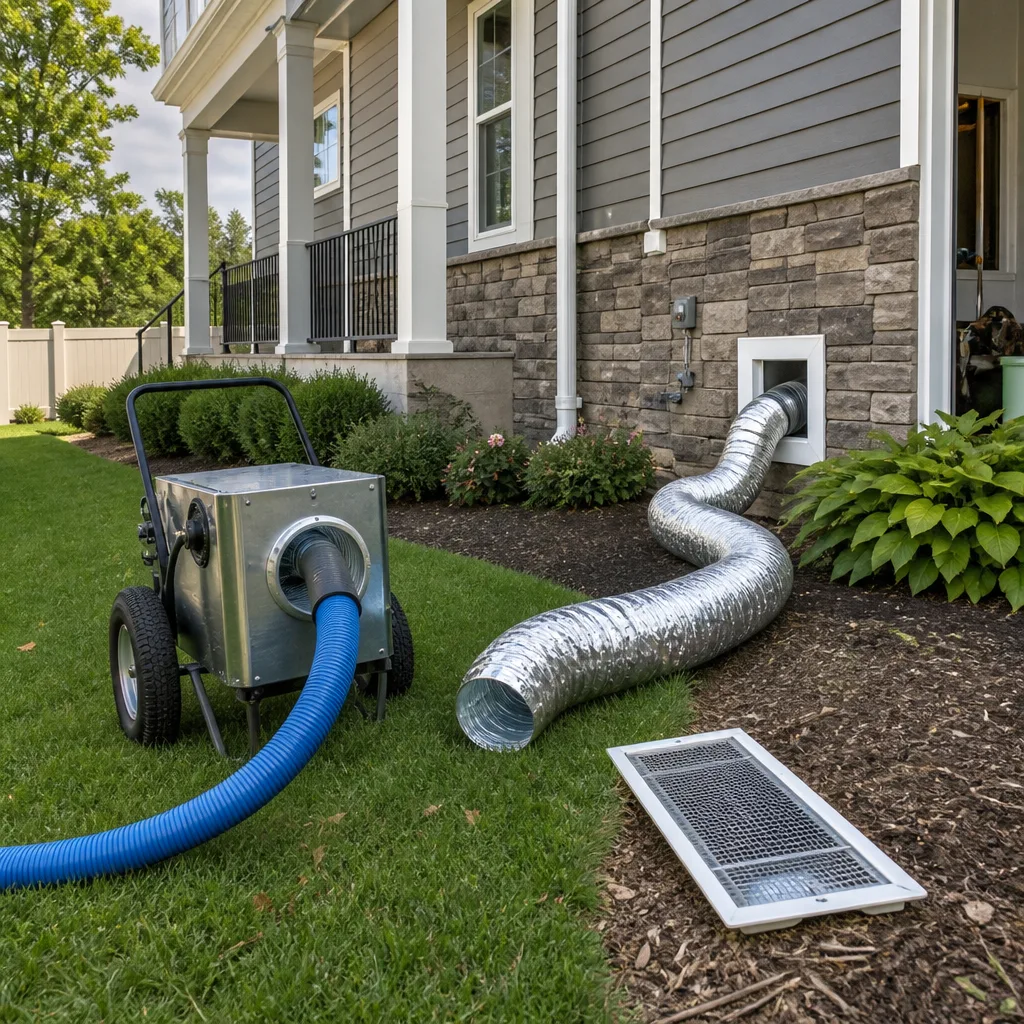
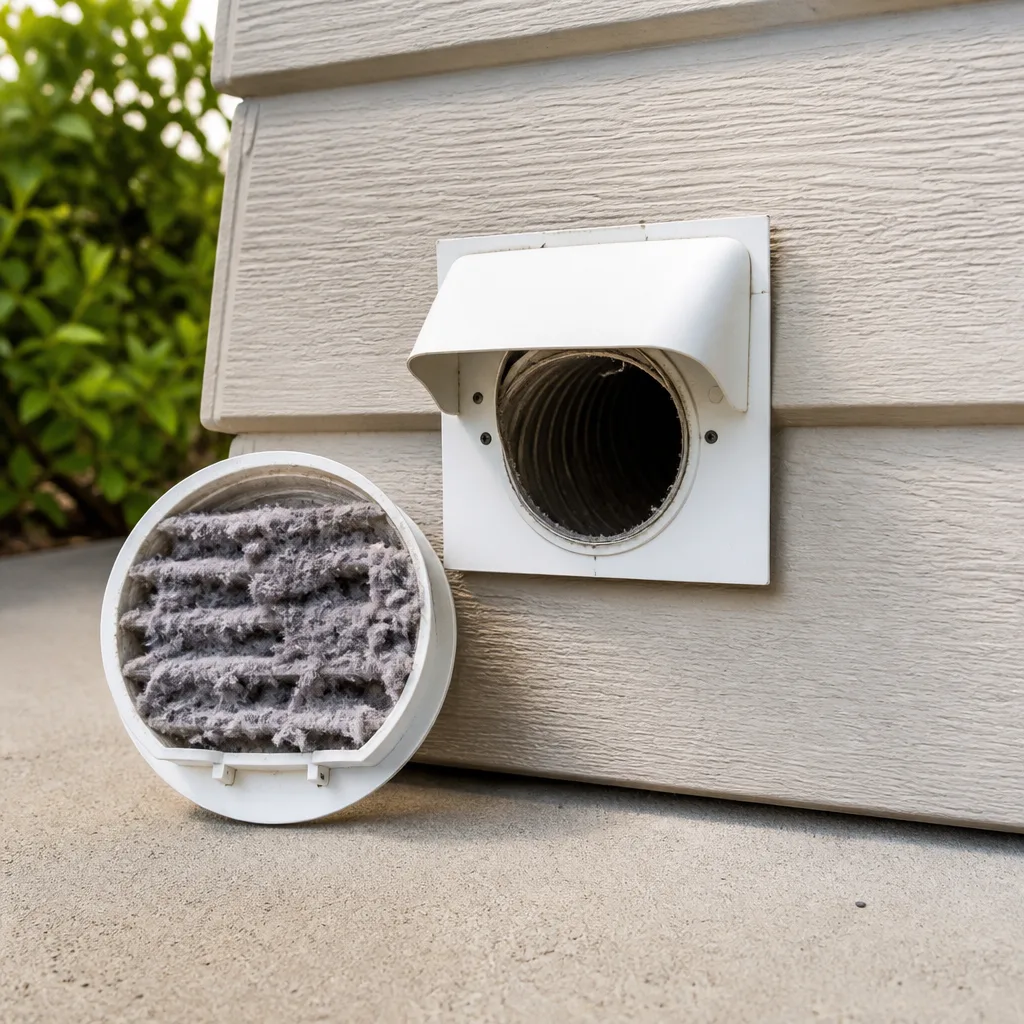
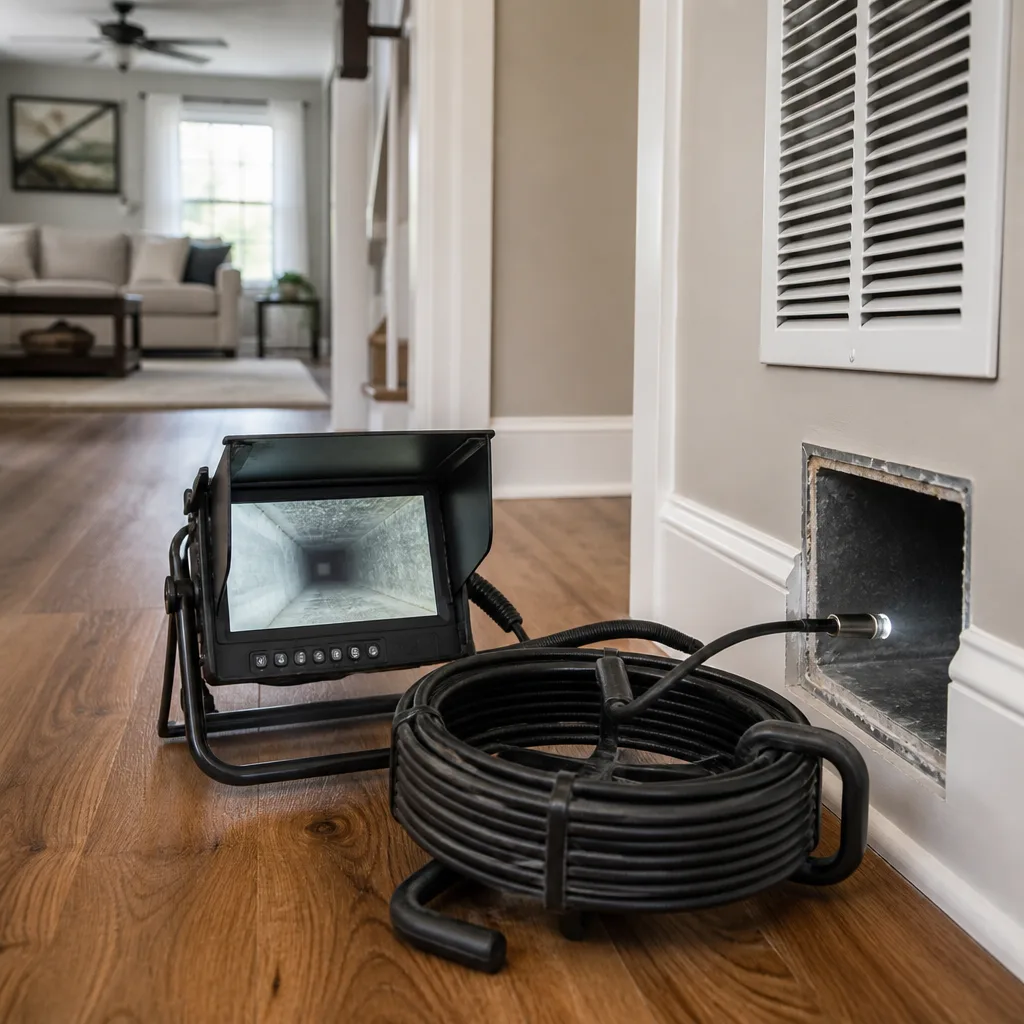
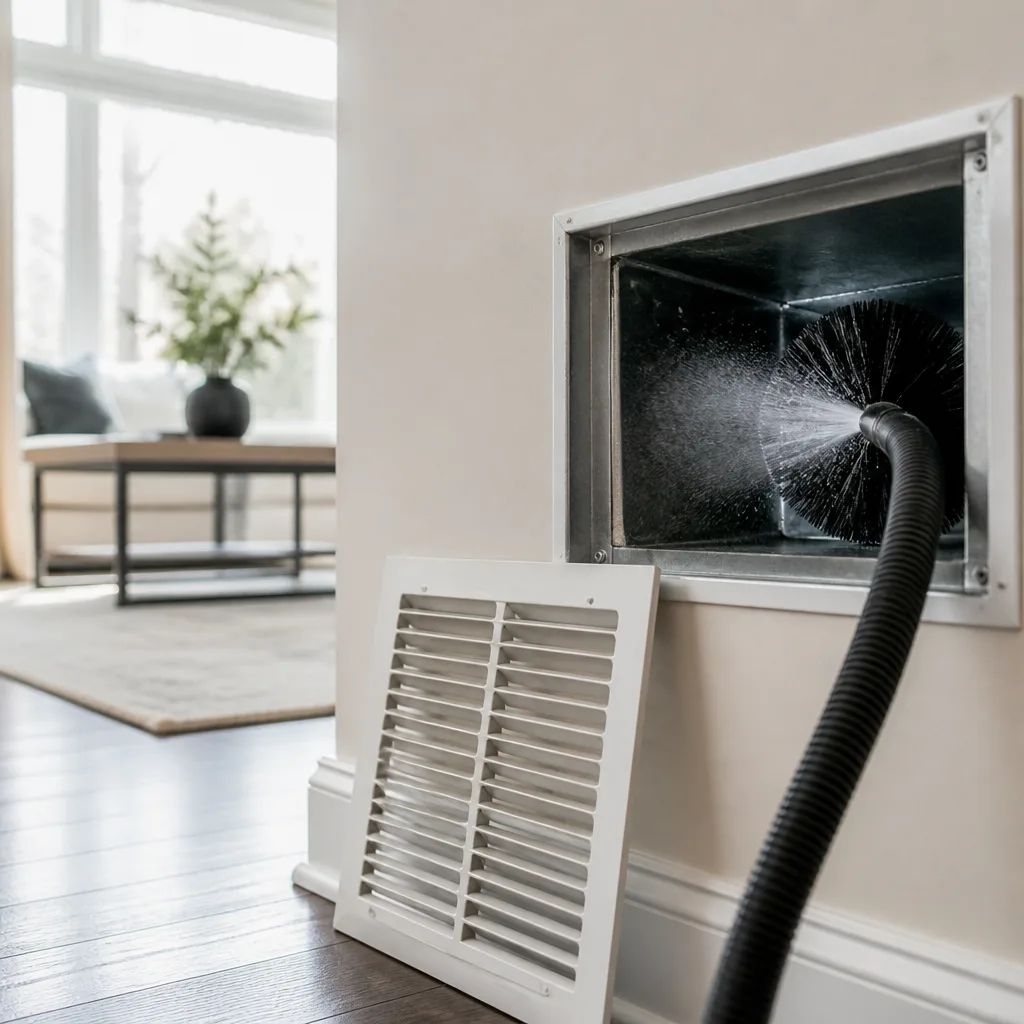
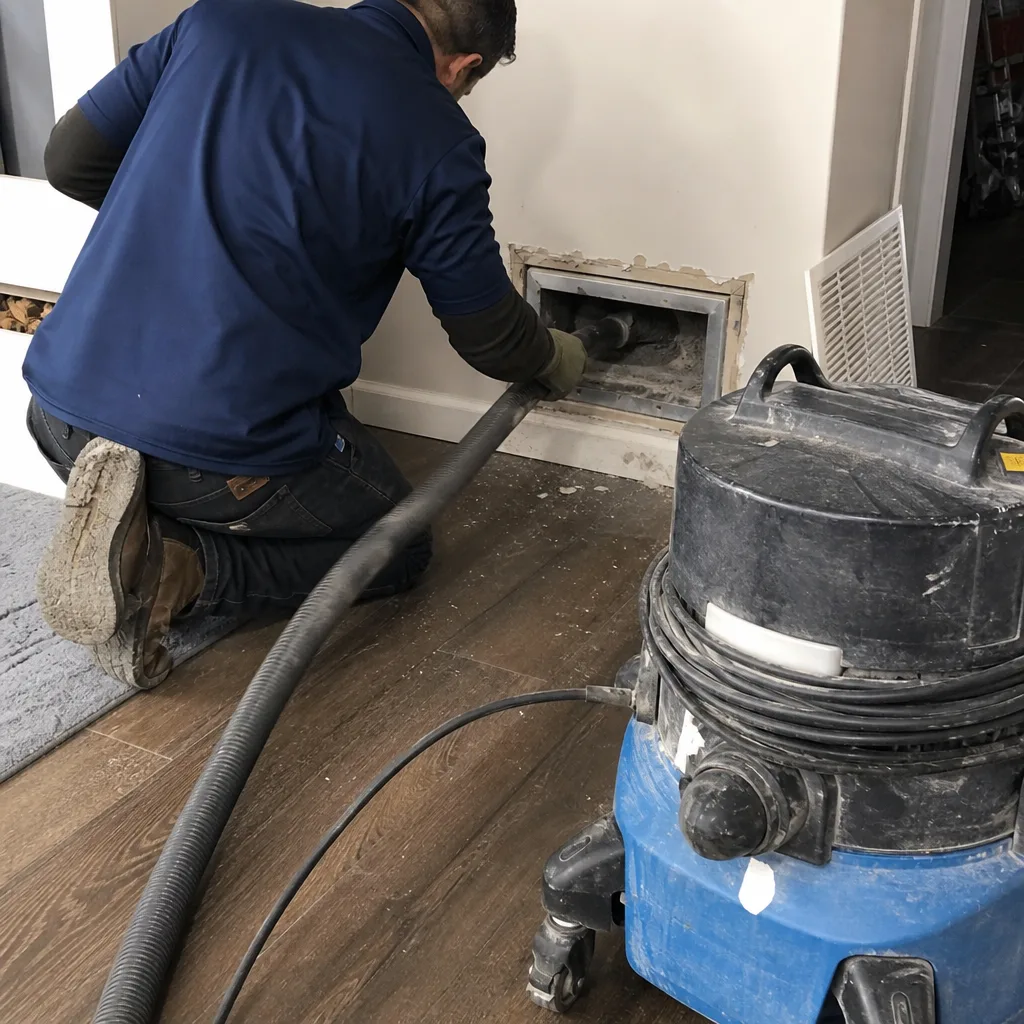 Before
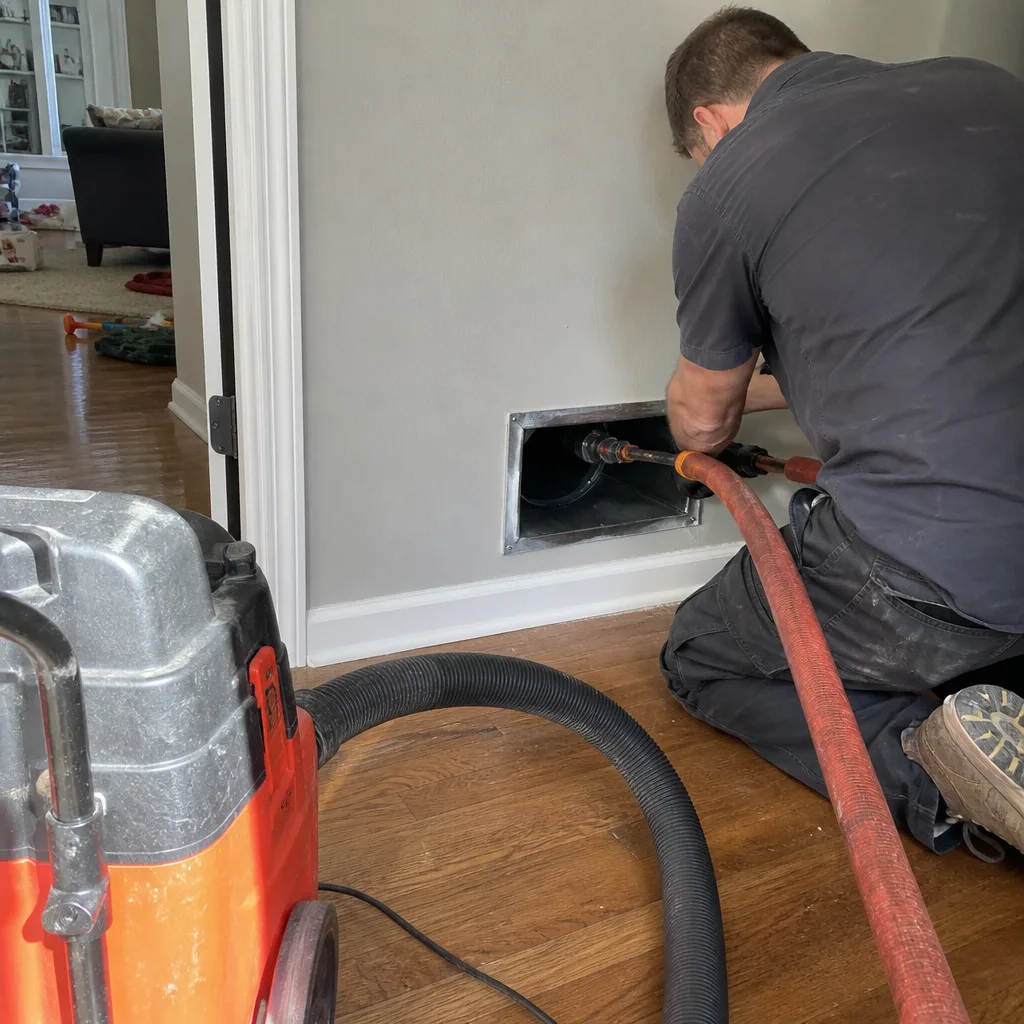 After
After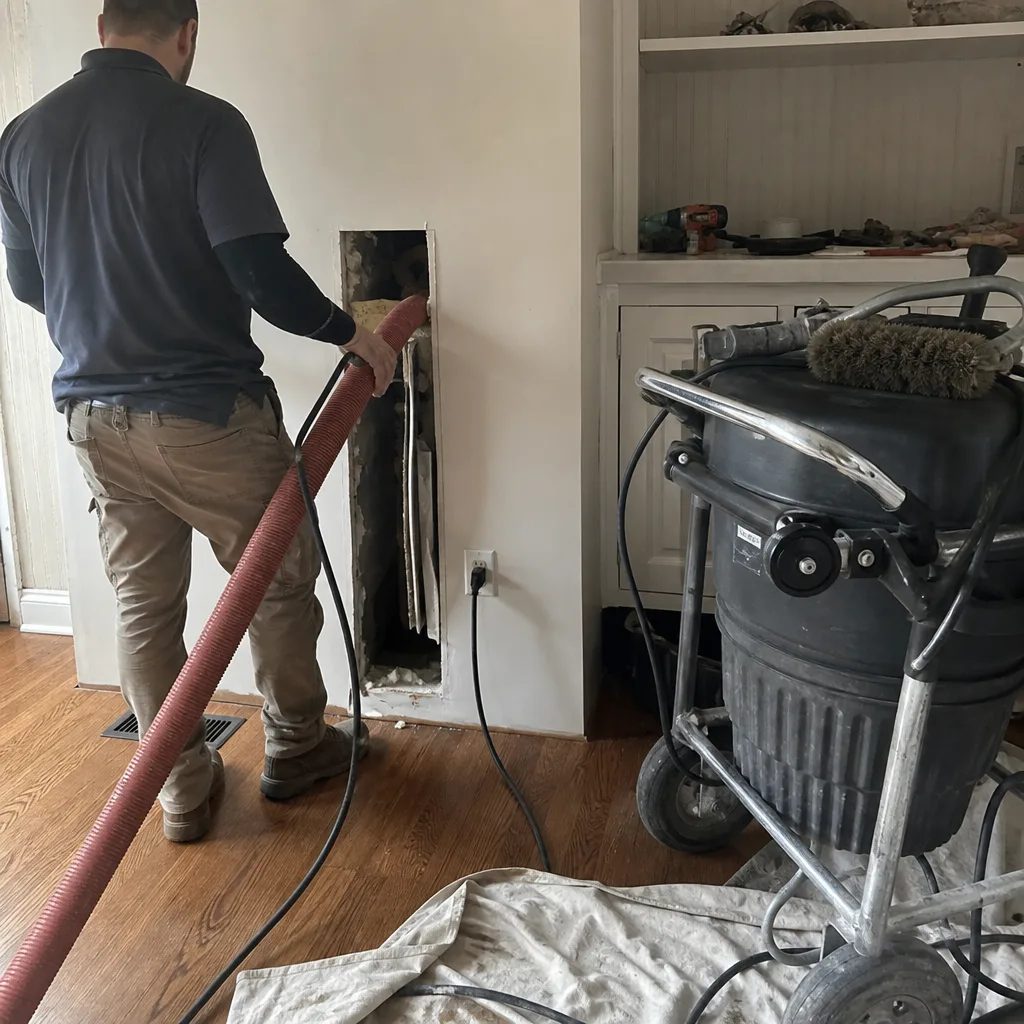 Before
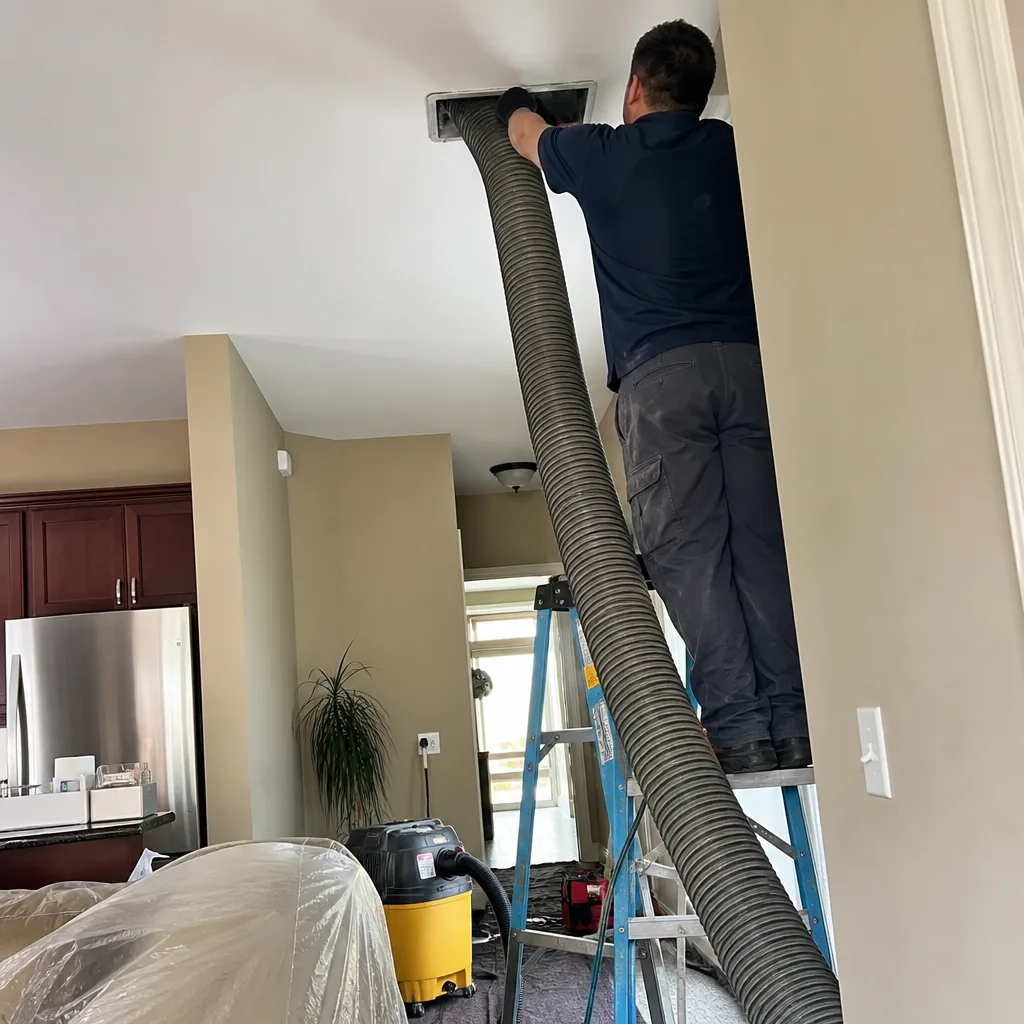 After
After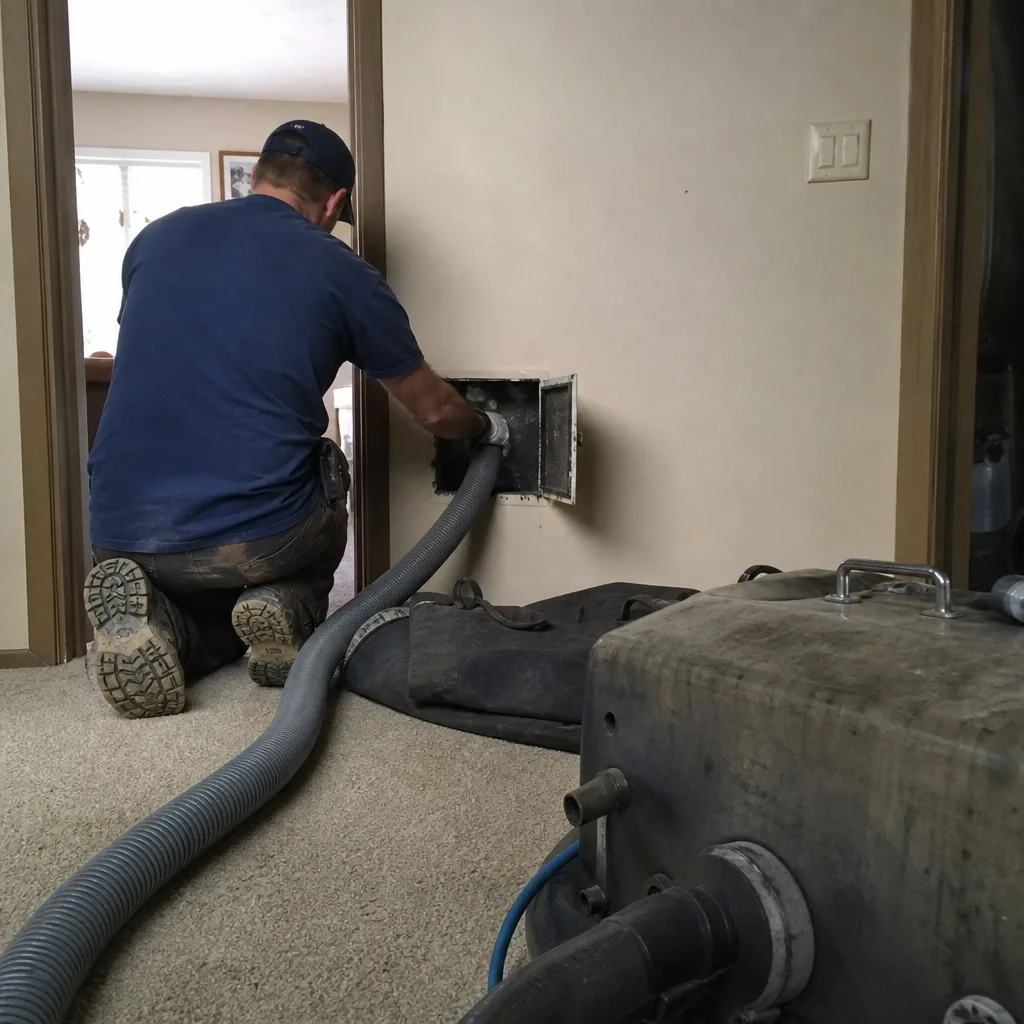 Before
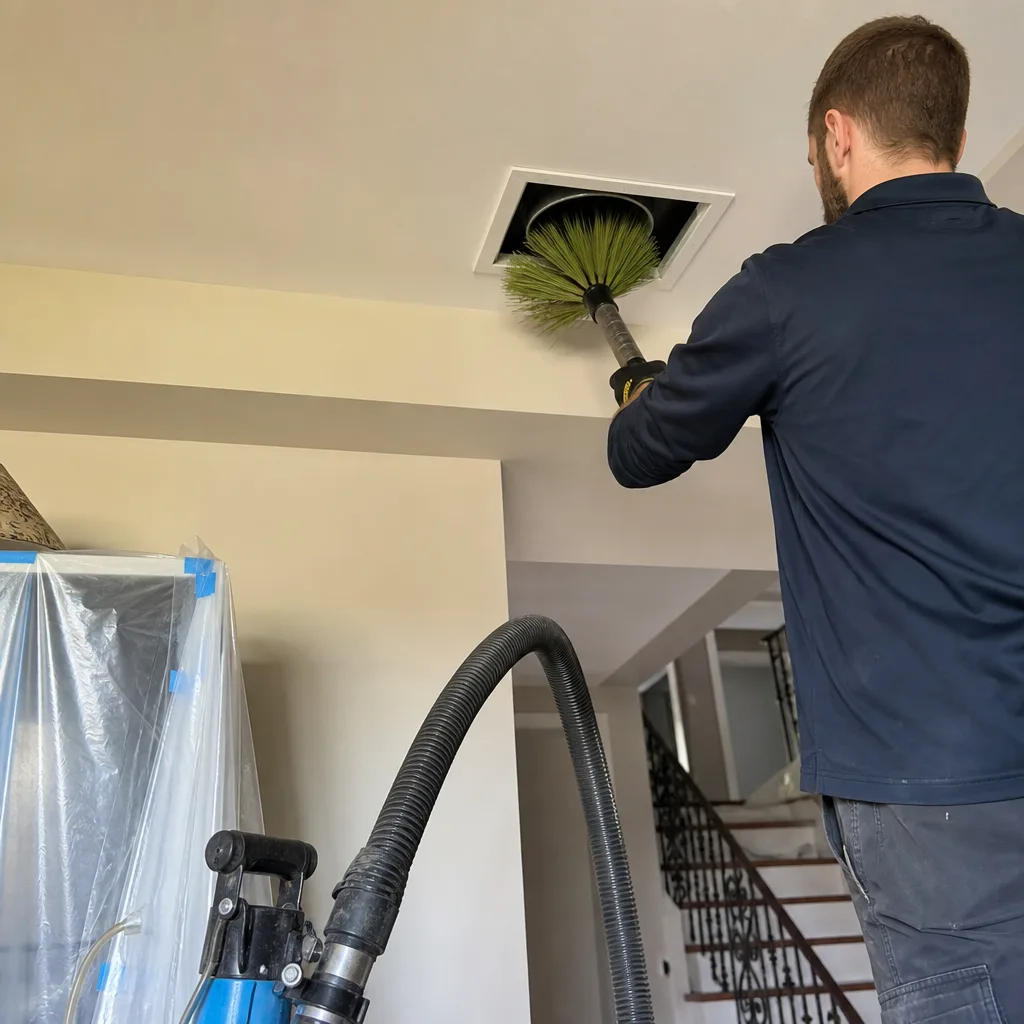 After
AfterHoneywell Coil Cleaning: The Northbrook Owner’s Guide
CleanRun stocks and installs Honeywell-compatible evaporator and condenser coil cleaning for residential HVAC systems throughout Northbrook, with typical whole-system coil cleaning priced at $320-$580 depending on accessibility and contamination level. Most Northbrook homes with Honeywell components, including those near Northbrook Court and the older ranch stock along Dundee Road, can be scheduled within two business days. Owners usually discover the need when their Honeywell system runs longer cycles without reaching setpoint, or when a seasonal maintenance pull reveals a mat of debris that negative-pressure extraction alone won’t clear.
Which Honeywell Models This Applies To
Honeywell doesn’t manufacture complete HVAC systems, but their coil-related components appear across three main integration points: the electronic air cleaner cells mounted upstream of the evaporator coil, the whole-home humidifier pads that sit adjacent to heat exchanger coils, and the thermostat/control systems that govern coil cycling. The critical match point for cleaning is the coil dimensions themselves, not the Honeywell badge. We measure fin density per inch, tube diameter, and overall cabinet footprint to determine whether your coil needs in-place foaming, full removal and immersion cleaning, or replacement if the fins have degraded past 50% integrity.
For Honeywell electronic air cleaners, the F50, F100, and F300 series use cells that must be removed before coil access. The F50E and F50A have slightly different cell depths, 4.5 inches versus 5 inches, and we’ve found Northbrook homes built between 1965 and 1985 often have the deeper F50A cells that complicate coil reach-in. OEM foaming agents from Honeywell run alkaline and work fine for light maintenance, but for the calcium and construction dust we pull out of Northbrook’s older ductwork, we use Abatement Technologies foaming systems followed by low-pressure rinse, which restores heat transfer without fin damage that aggressive pressure causes.
Aftermarket coil cleaning compounds exist, but the pH specification matters. Honeywell’s own documentation specifies a 7.5-8.5 pH range for foaming agents used near their electronic cells. We’ve seen homeowners in the Techny area use off-the-shelf acidic cleaners that etched aluminum fins and voided remaining warranty coverage. We stock both Honeywell-specified compounds and trade-grade equivalents that meet the same pH window, and we document which was used in your job record.
Signs Your Honeywell Coil Cleaning Is Failing
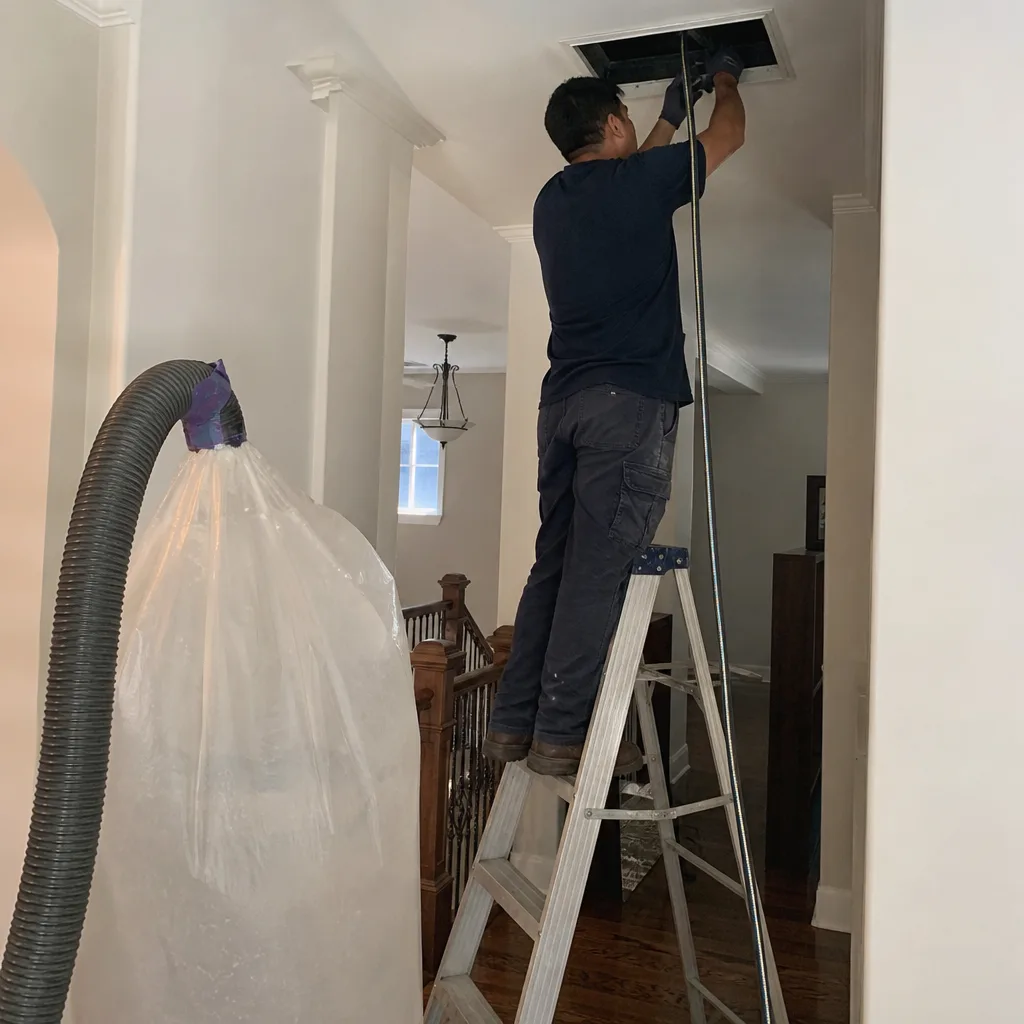
- Extended runtime without temperature change. Your Honeywell thermostat shows the system running 20 minutes or longer to drop the temperature two degrees. That usually means the evaporator coil has enough biofilm and dust buildup that air can’t transfer heat effectively across the fin surface. The compressor keeps running because the return air never reaches setpoint.
- Ice formation on the refrigerant lines. When you open the air handler cabinet and see frost on the suction line at the coil header, restricted airflow from contamination is the likely cause. The coil temperature drops below freezing because insufficient warm air passes across it, and that ice further blocks airflow in a cycle that can slug the compressor with liquid refrigerant.
- Musty or sour odor at registers. Bacterial growth on a wet coil produces a distinct smell that duct deodorizers won’t touch. In Northbrook’s humid July weather, we’ve pulled coils with active microbial colonies that were blowing spores through every register. The camera shows it as a gray-green film between the fins.
- Honeywell air cleaner cell arcing or snapping. When the electronic cell downstream of a dirty coil loads up with debris, voltage leaks across the contamination and creates audible arcing. Owners sometimes replace the $200 cell when the root problem is the coil upstream throwing oil and dust onto the cell plates.
- Water in the secondary drain pan. The primary condensate drain clogs with algae and slime from a contaminated coil, and overflow hits the backup pan. If your pan has standing water and the drain line is clear, the coil itself is likely the source of the biological load.
BeforeAfterReplacement Cost & What’s Included
Whole-system coil cleaning in Northbrook runs $320-$580 for a standard residential air handler or split-system condenser, with the range driven by three factors: whether the coil requires full removal for immersion cleaning versus in-place foaming, whether the Honeywell electronic air cleaner cell must be pulled and reseated, and the degree of fin restoration possible versus replacement necessity. A coil that’s simply dirty with construction dust and pollen cleans at the lower end. A coil with corroded fins, impacted pet hair, or mold requiring antimicrobial treatment lands at the upper end.
Every CleanRun coil cleaning includes the documented photo record, Haven Standard Clause 1 pricing in writing before any chemical touches metal, and the 365-Day Done Right Promise. We photograph the coil before cleaning, after foaming, and after rinse, so you see fin restoration, not just a verbal claim. If we find the coil is beyond cleaning and requires replacement, we deliver a second written price for that option before proceeding. No per-vent add-ons, no chemical surcharges invented mid-job.
The price includes labor, cleaning compounds, fin combing if needed, and reassembly with proper torque on all fasteners. We use Nikro and Rotobrush equipment on coil jobs, and we note the specific compound pH in your job record for warranty documentation.
DIY or Call Us?
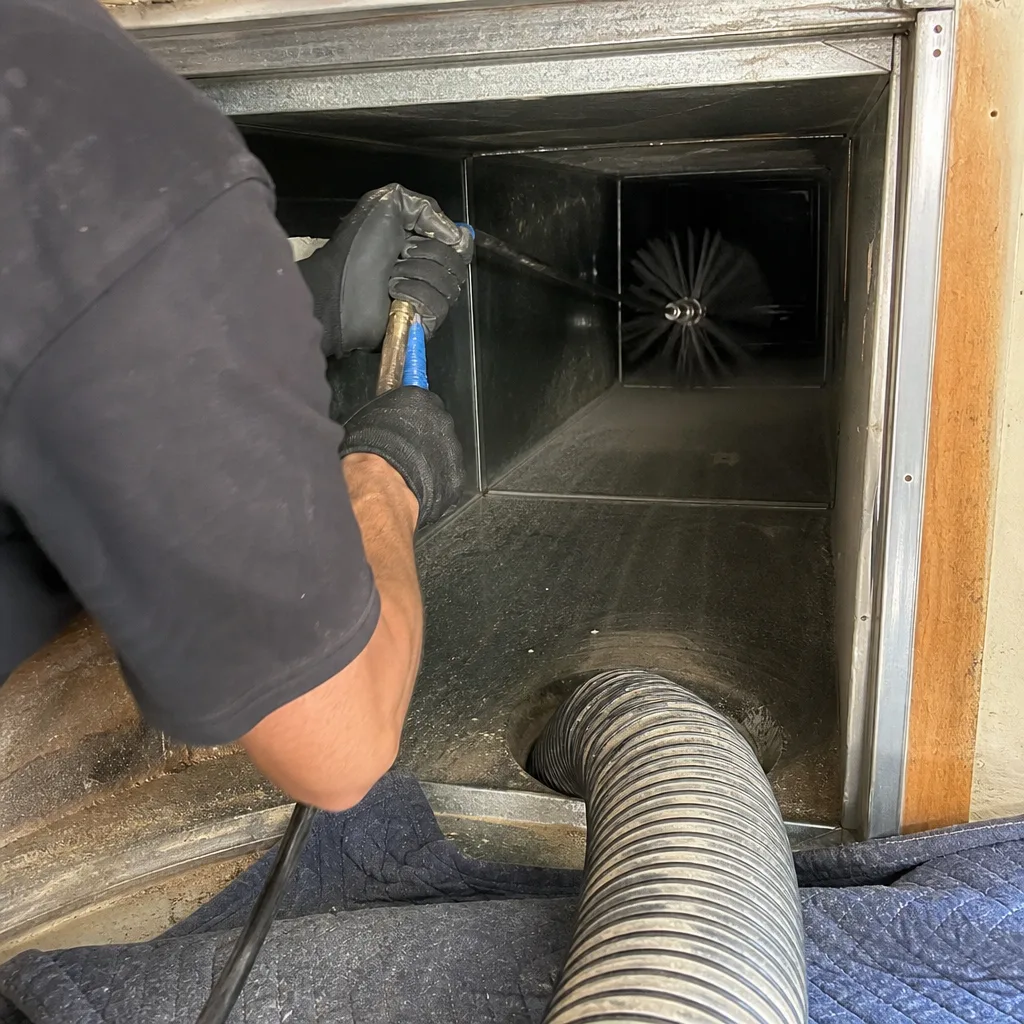
There’s a safe middle ground and a hard stopping point with coil cleaning. A homeowner can inspect the coil through the air handler access panel, check whether the Honeywell electronic cell is seated properly, and confirm the condensate drain flows freely. What you cannot safely do is apply foaming agents under pressure, bend fins back into alignment without a proper fin comb, or remove refrigerant lines to pull the coil for immersion cleaning. The refrigerant system is sealed and EPA-regulated; breaking those fittings without recovery equipment is illegal and will vent refrigerant into your mechanical room.
We’ve been called to Northbrook homes where a homeowner used a pressure washer on a condenser coil and folded every fin flat, or where acidic cleaner stripped the protective coating from an aluminum coil and six months later it was leaking at the tube joints. The camera doesn’t negotiate, it just shows you what’s there. Tomas Reyes and our crew carry the right foaming pH compounds, fin combs sized to your coil density, and the refrigerant handling certification to remove and replace coils when cleaning isn’t enough. Call (224) 351-9772 and we’ll show you the photo before quoting a dollar.
FAQs
In Northbrook’s climate, with pollen-heavy springs and humid summers, a properly cleaned coil stays functional for 18 to 36 months before significant buildup returns. Homes with pets or near construction zones may need attention closer to the 18-month mark. Call (224) 351-9772 and we’ll assess your specific system load.
Cleaning is the repair for contamination, but physical damage like fin corrosion, tube leaks, or header cracks requires coil replacement. We determine which path applies by camera inspection and pressure testing before any work begins. Call (224) 351-9772 for a written evaluation.
A standard in-place foaming and rinse takes 90 to 120 minutes; full removal and immersion cleaning adds 60 to 90 minutes for recovery, removal, and reinstallation. We schedule adequate time so the crew isn’t rushing the rinse stage, which is where damage happens. Call (224) 351-9772 to book a morning or afternoon slot.
Yes. Our trucks carry Honeywell-specified foaming agents, Abatement Technologies low-pH alternatives, and the full Rotobrush and Nikro equipment roster for coil access and negative-pressure containment. We also stock Lennox, Trane, and Carrier coil components for systems where the coil itself requires replacement. Call (224) 351-9772 to confirm same-week availability for your specific Honeywell configuration.
CleanRun Duct Repair & Cleaning is an independent service provider, not affiliated with Honeywell. Equipment brands named are used in accordance with manufacturer specifications; performance claims follow published documentation.
Ready to see what’s actually inside your air handler? Call CleanRun at (224) 351-9772 for a free, written estimate. We’ll show you the photo first, name the exact price second, and document every duct run before we leave. That’s the Haven Standard, and it’s been our practice since 2013.
Written by Tomas Reyes, Owner, CleanRun Air Duct Cleaning Northbrook at CleanRun Air Duct Cleaning Northbrook, serving Northbrook and nearby areas.