
Last updated September 23, 2026
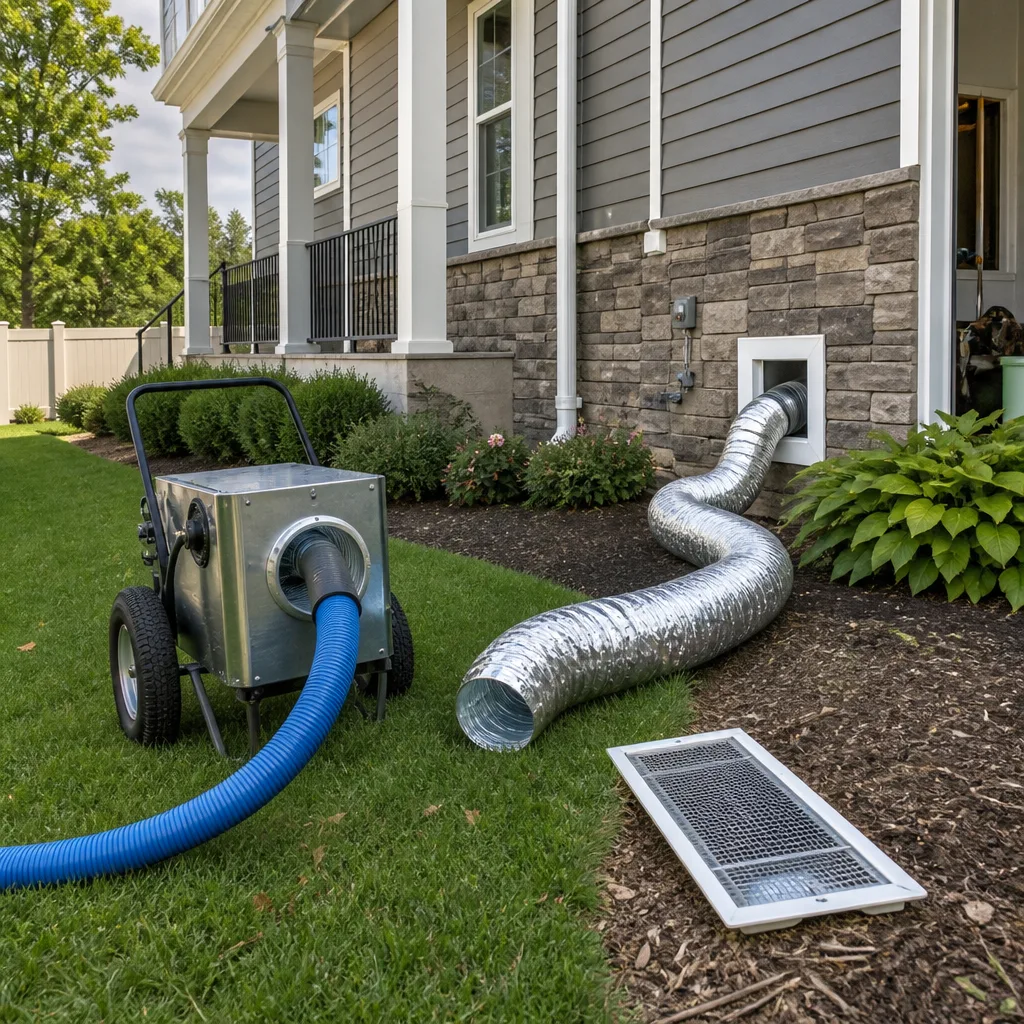
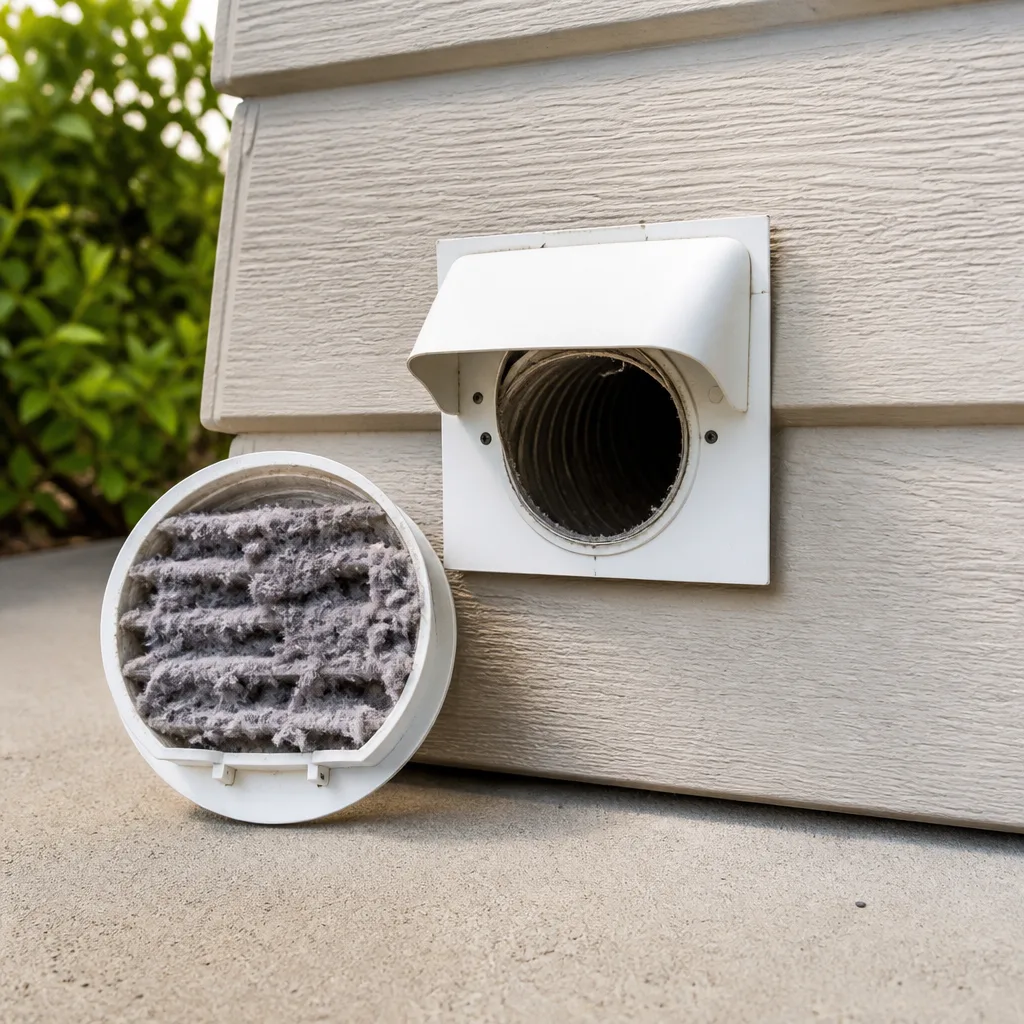
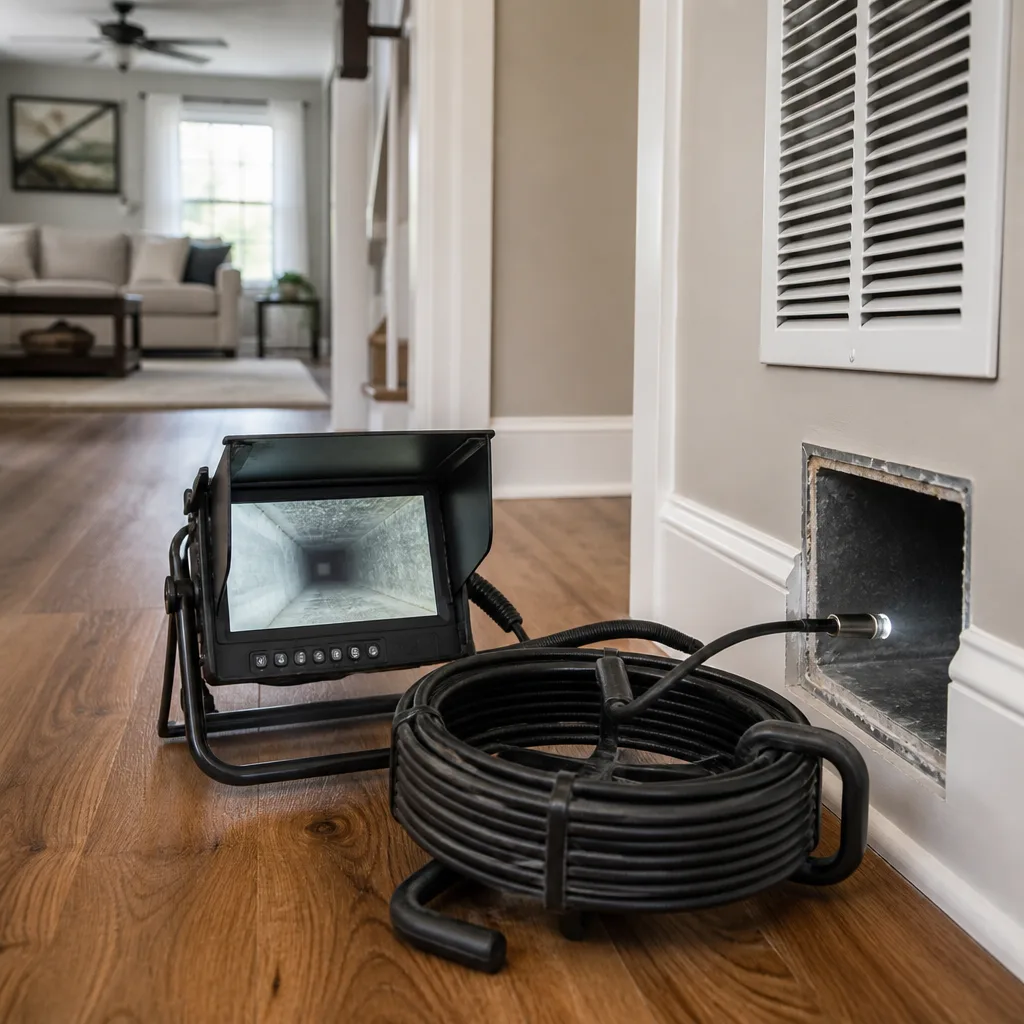
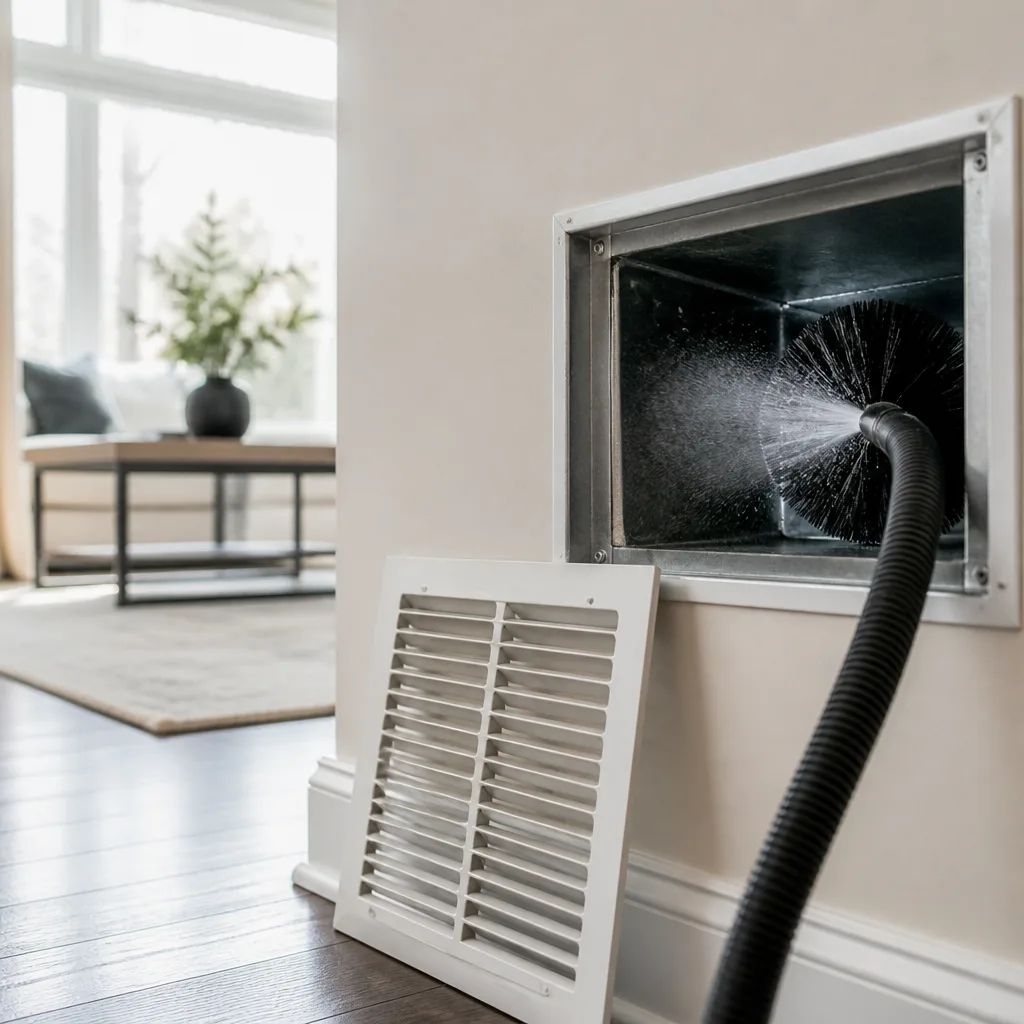
Whole-system duct and dryer vent check with before-and-after photos - you see exactly what came out of your vents
That "$99 whole-house special" is a bait ad - the real number appears once they are in your hallway, or the "clean" is a shop-vac at the register. We photograph the inside of your ducts before and after instead.
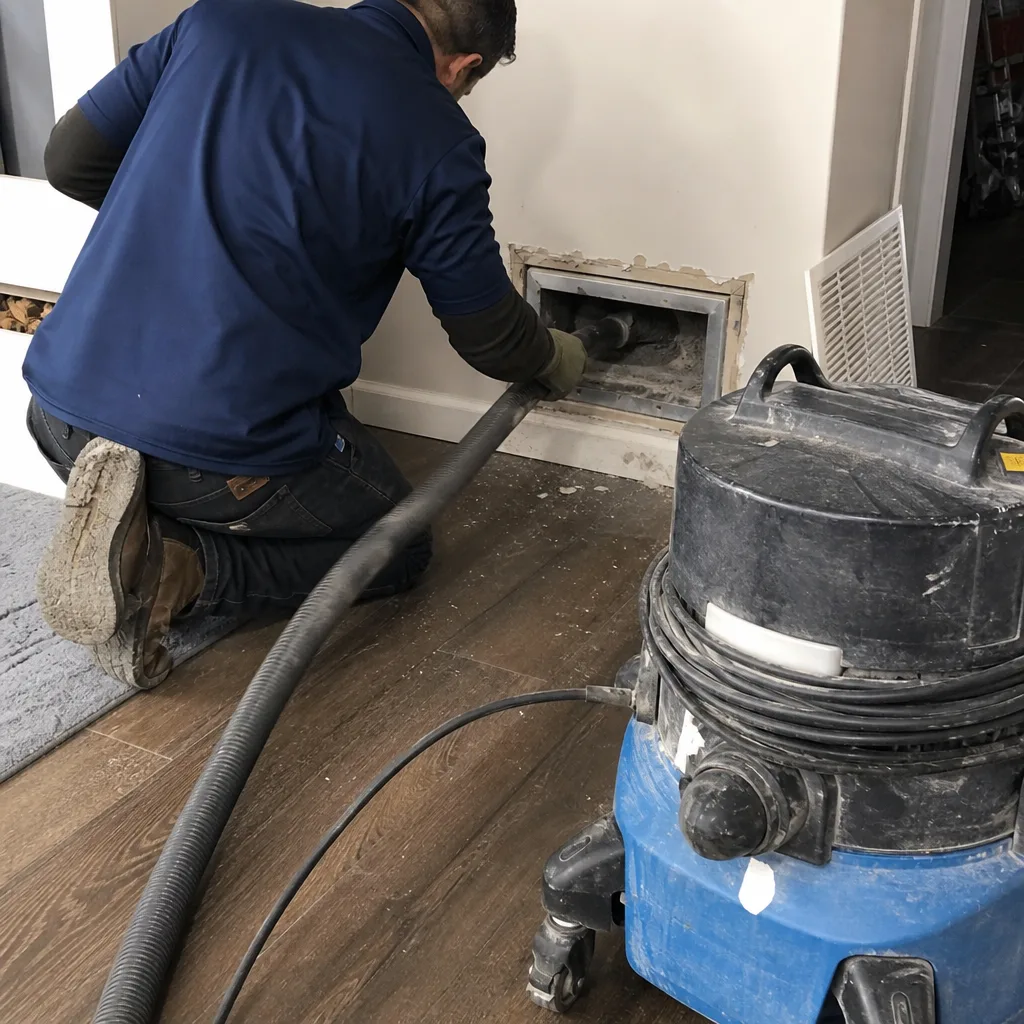 Before
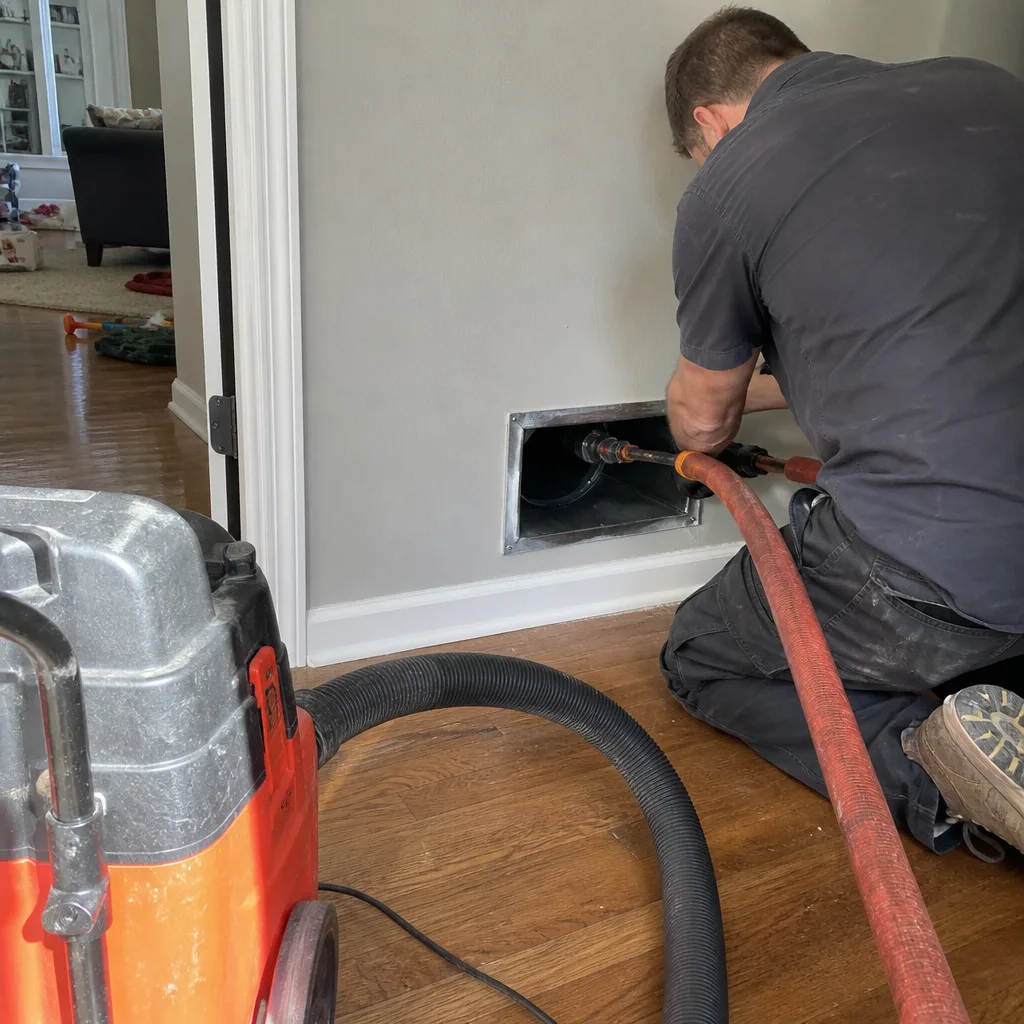 After
After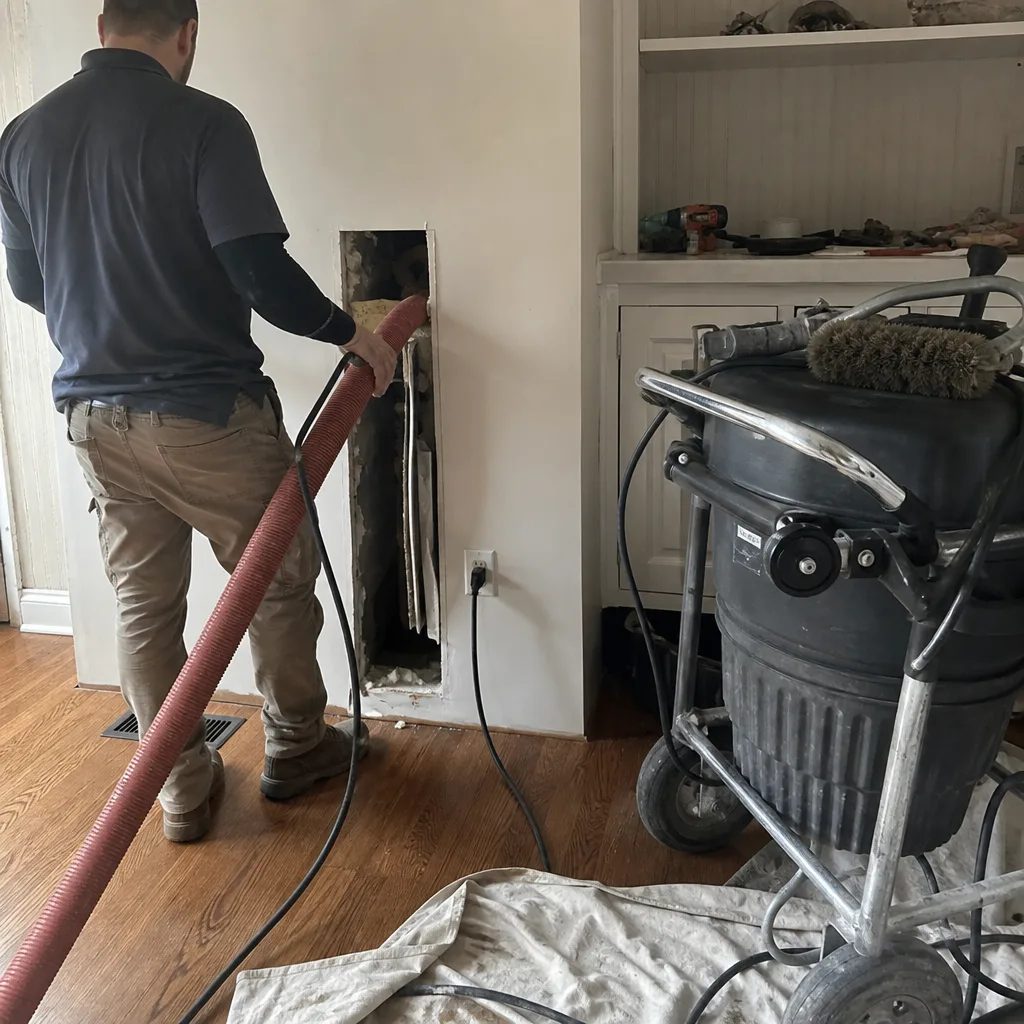 Before
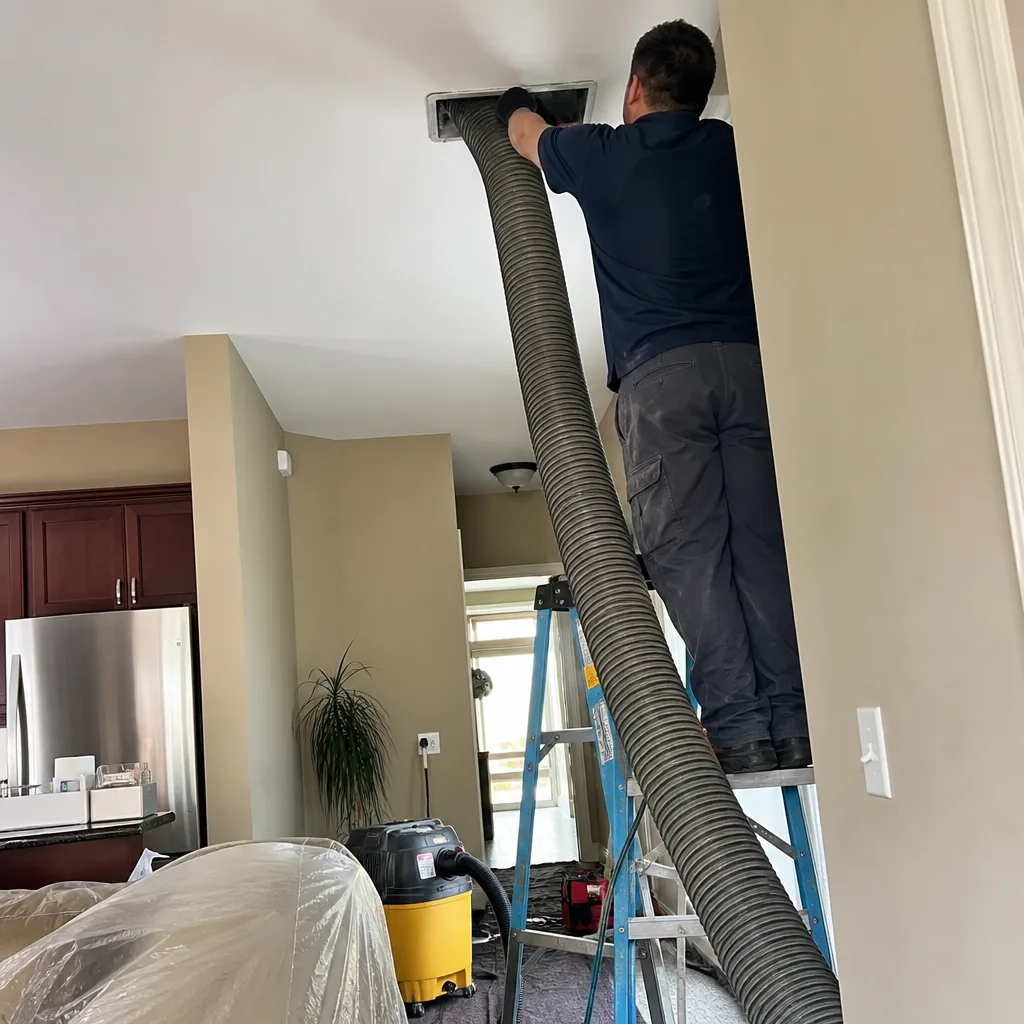 After
After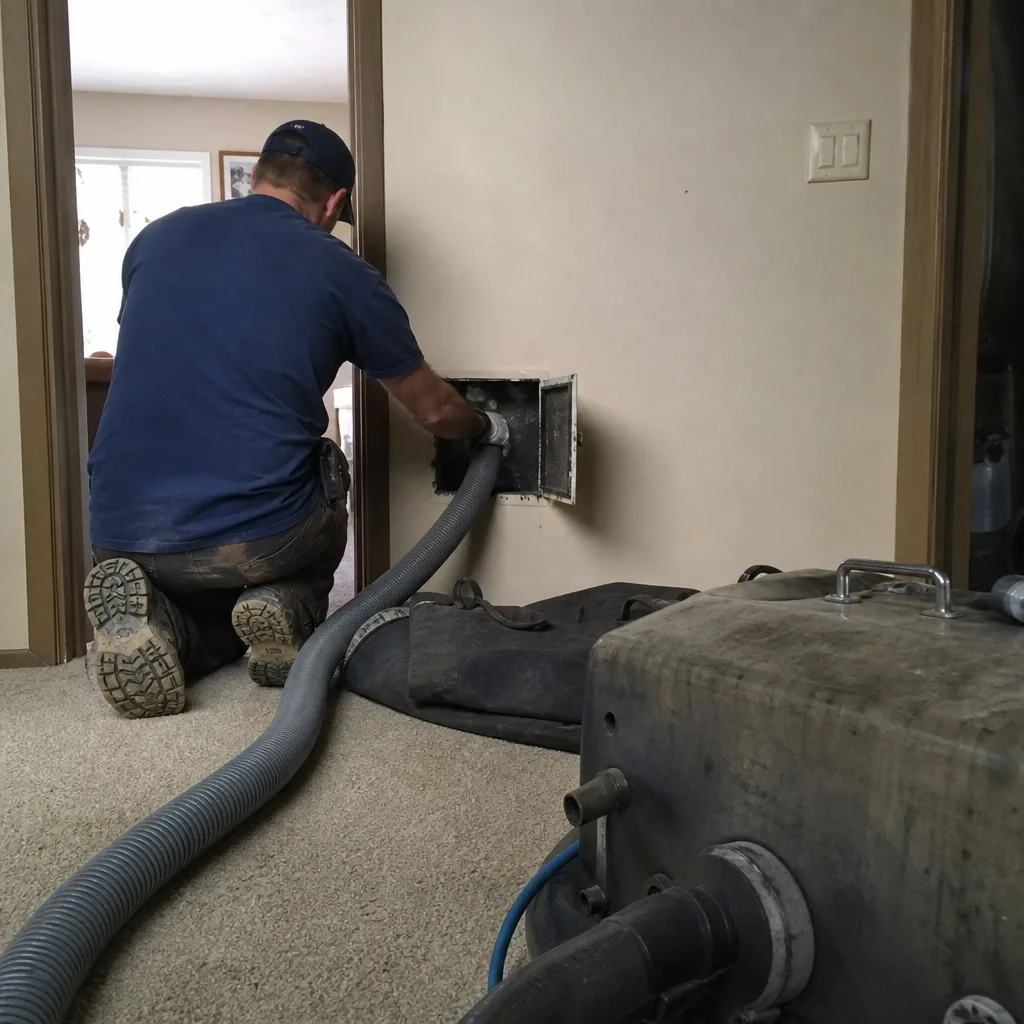 Before
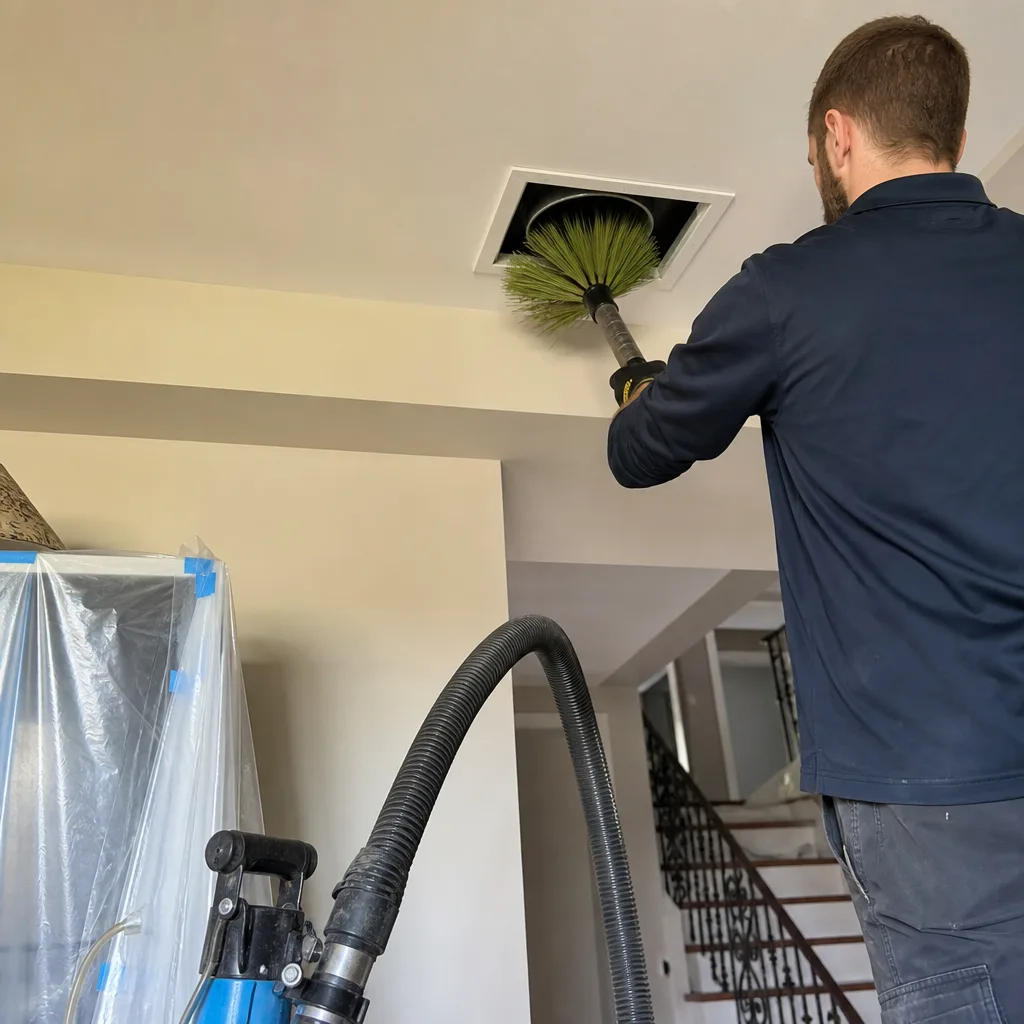 After
AfterAir Duct Cleaning Warning Signs: A Northbrook Homeowner’s Reference Guide
That musty smell hitting you when the AC kicks on? Most lists will tell you it’s a duct cleaning warning sign. In our experience serving Northbrook since 2013, it’s usually mold on the evaporator coil, and a duct cleaning won’t touch it. We’ve photographed enough duct runs and coil cabinets to know the difference matters. Our Complete Guide to Air Duct Cleaning in Northbrook is built to help you distinguish symptoms that actually indicate duct cleaning from symptoms that point to coil cleaning, duct sealing, or a different repair entirely. You’ll learn what register debris really means, why dust sometimes returns within weeks, and a 20-minute self-check you can do before calling anyone.
Quick Answer
Air duct cleaning is warranted when you observe visible debris accumulation inside duct runs, airflow reduction at distant registers, or debris discharge from supply vents during normal HVAC operation. Musty odors, uneven temperatures, or rapid dust resettling typically indicate coil issues, duct leakage, or filtration problems that cleaning alone will not resolve. The correct service depends on which specific symptoms appear together.
Table of Contents
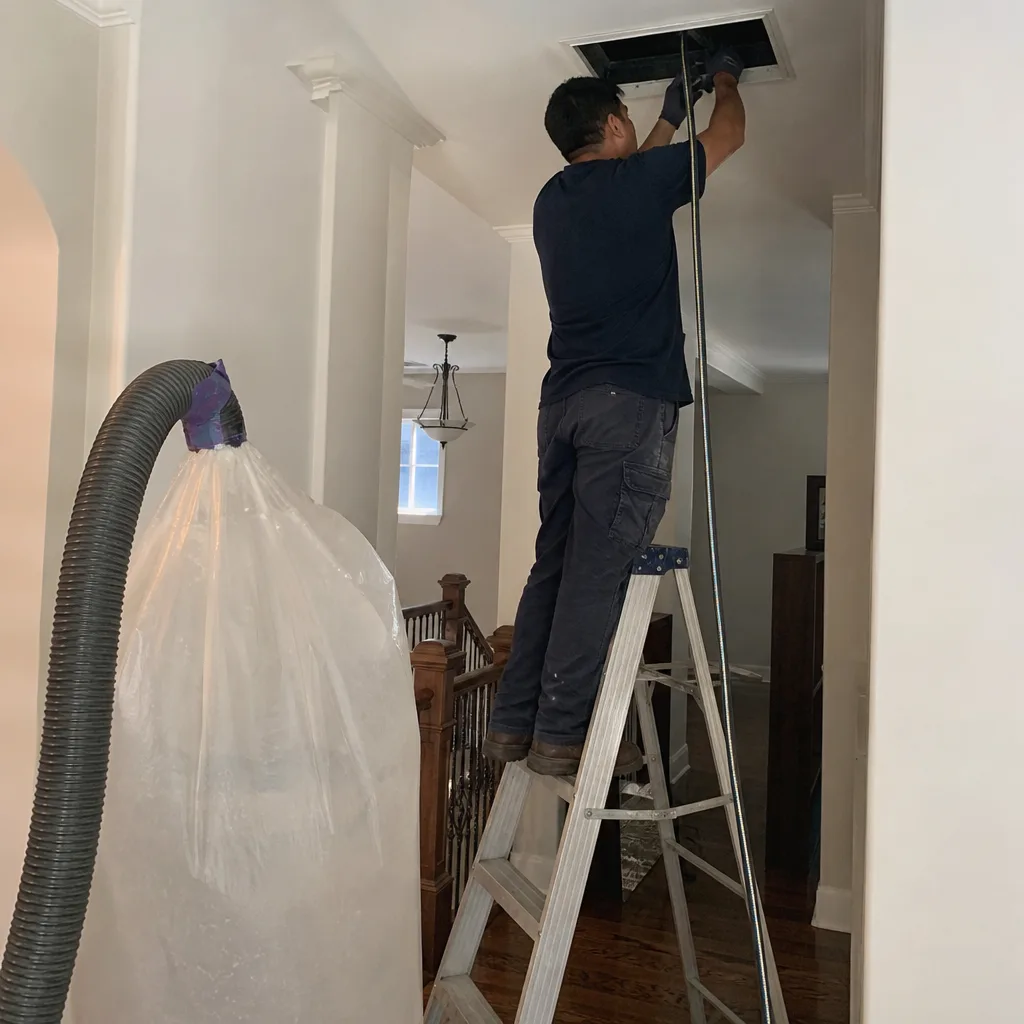
- Warning Signs That Mean Duct Cleaning
- Warning Signs That Mean Something Else
- What Register Debris Actually Looks Like
- The “Dust Returns” Problem Explained
- Allergies and Duct Cleaning: What the Evidence Shows
- 20-Minute Self-Diagnostic Protocol
- Common Mistakes to Avoid
- When to Call a Professional
- Frequently Asked Questions
BeforeAfterWarning Signs That Mean Duct Cleaning
These symptoms indicate debris buildup inside the ductwork itself. A negative-pressure extraction (vacuuming the duct run while agitating debris with mechanical brushes) is the appropriate response.
Visible Debris at Multiple Supply Registers
We’re not talking about a thin film of household dust that wipes away with a finger. We mean fibrous material, construction residue, or particulate matter that has traveled through the duct run and exited at the register. In Northbrook homes built during the 2015-2020 construction boom, we’ve documented drywall dust and wood fiber accumulation in duct runs that sat open during months of finishing work. The camera shows it packed at elbows and transitions. This material does not remove itself.
Key distinction: debris that blows out when the system cycles on, not debris that settles on the register from room air. The former came through the duct. The latter came from the room.
Reduced Airflow at Distant Registers
A register at the end of a long duct run that delivers noticeably less air than nearby registers often has partial blockage. We’ve measured airflow drops of 40% or more in Northbrook’s larger homes, particularly in second-floor rooms above the garage where duct runs extend 30+ feet. The restriction is sometimes a collapsed flex duct, but frequently it’s debris accumulation at a low point or elbow where gravity and velocity changes deposit material over years.
Before assuming cleaning is needed, remove the register and inspect with a flashlight. If you see a uniform mat of debris across the duct opening, not just surface dust, that’s a cleaning indicator.
Debris Discharge During Normal Operation
Particles visible in the air stream when the blower activates, or debris that accumulates on furniture directly below a supply register within days of dusting, indicates material is being transported through the duct system under pressure. This is not normal. A properly maintained duct system should deliver filtered air with particulate levels below what room air contains.
In Northbrook’s older ranch homes near Techny Basin, we’ve found this symptom frequently traces to original ductwork from the 1960s-70s that was never cleaned and has decades of settled debris now being disturbed by higher-velocity modern blowers.
Post-Construction or Renovation Residue
Any significant remodeling, especially drywall work, floor sanding, or demolition, introduces particulate matter into ductwork if registers were not sealed. We photographed a Northbrook home in the Meadow Ridge area where a kitchen renovation in 2019 left visible drywall compound in three downstream duct runs. The homeowners had been experiencing respiratory irritation for two years without identifying the source. The before-and-after photo record showed the material clearly.
- Visible fibrous or granular debris at multiple supply registers
- Measurable airflow reduction at registers farthest from the air handler
- Active debris discharge during blower operation
- Documented post-construction contamination
- System has never been cleaned and is 15+ years old in a home with active shedding sources (pets, carpet, heavy textile use)
Warning Signs That Mean Something Else
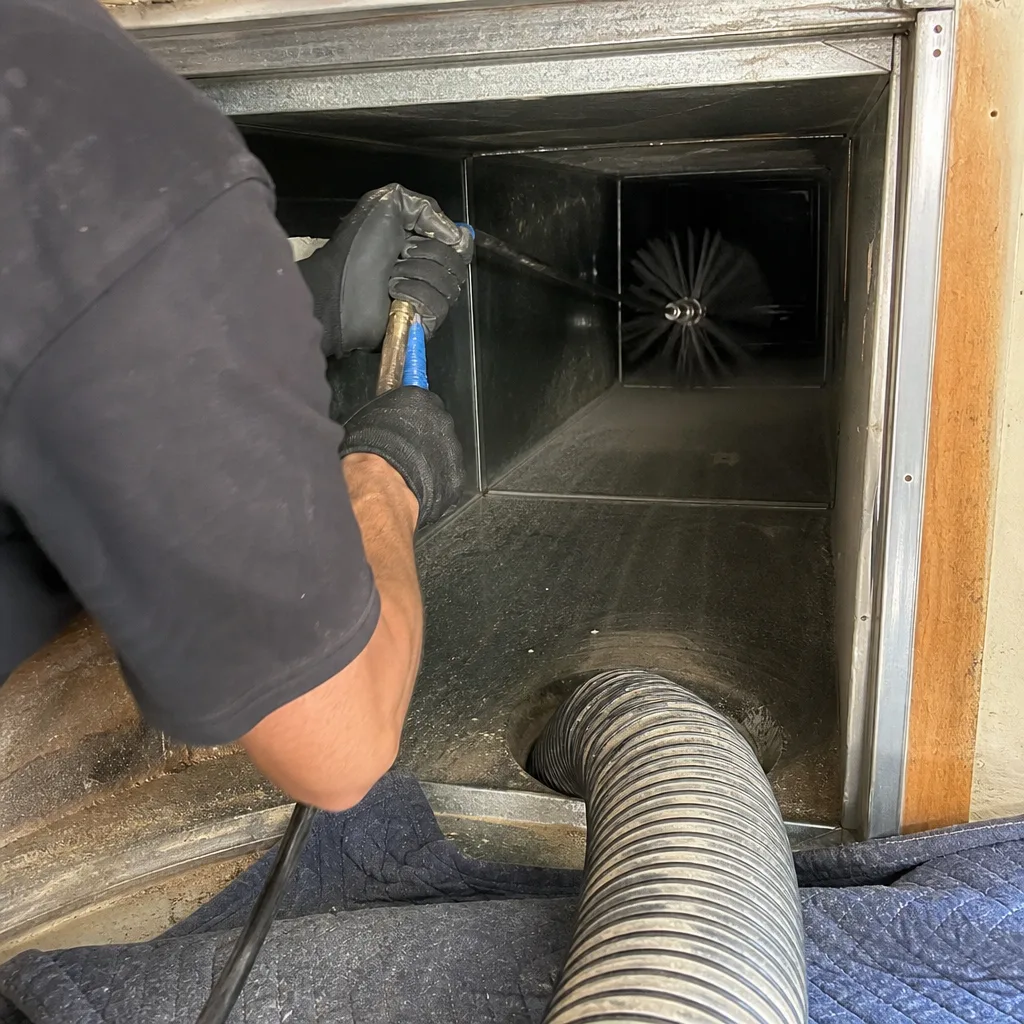
These symptoms are frequently misattributed to dirty ducts. A cleaning service will take your money and leave the actual problem untouched.
Musty or Moldy Odors
The most commonly misdiagnosed symptom. Musty smell from supply registers, especially in humid summer months, typically originates from microbial growth on the evaporator coil or in the condensate pan, not in the duct runs. The coil sits in the plenum (the large box connecting the air handler to the duct system) and is upstream of most ductwork. When the blower activates, it pushes air across the coil and carries the odor through every supply register.
In Northbrook, where summer humidity regularly pushes 70-80%, we’ve found coil mold in approximately 60% of homes where the homeowner initially requested duct cleaning for odor complaints. A duct cleaning does not remove coil contamination. The correct service is HVAC cleaning, specifically coil and pan treatment.
Our HVAC Cleaning in Northbrook service addresses this specifically, with coil access, foaming cleaner application, and pan flushing.
Uneven Temperatures Between Rooms
A bedroom that’s always too hot in summer or too cold in winter usually has a duct leakage or balancing problem, not a cleanliness problem. Conditioned air is escaping through gaps in duct connections, or the damper settings were never properly adjusted. We’ve inspected Northbrook homes where 25% of conditioned air was leaking into the attic through separated flex duct joints. No amount of duct interior cleaning changes that.
Duct sealing, sometimes combined with manual balancing, is the correct intervention. CleanRun offers this as a separate service with pre- and post-sealing pressure testing.
Rapid Dust Resetting After Cleaning
If your home becomes dusty again within two weeks of any cleaning service, the problem is not that the ducts “got dirty again.” Something is actively generating or introducing dust faster than normal. Common causes: inadequate filtration (a 1-inch pleated filter with low MERV rating, or a bypassing filter due to poor fit), duct leakage on the return side pulling attic or crawl space air, or excessive shedding from pets or textiles.
We address this specifically in the section below.
Allergy Symptoms Without Visible Debris
See the dedicated evidence section below. Duct cleaning has not demonstrated consistent efficacy for allergy symptom reduction in controlled studies. If your symptoms persist in a home with visibly clean registers and no debris discharge, the cause likely lies elsewhere: pollen infiltration through windows, pet dander reservoirs in carpet, or humidity levels supporting dust mite populations.
| Symptom | Likely Actual Cause | Correct Service |
|---|---|---|
| Musty odor when AC runs | Mold on evaporator coil or in condensate pan | HVAC coil cleaning |
| Uneven room temperatures | Duct leakage or improper balancing | Duct sealing and balancing |
| Dust returns within 2 weeks | Inadequate filtration or return-side duct leakage | Filter upgrade, duct sealing, or both |
| Allergy symptoms, no visible debris | Non-duct allergen sources | Environmental assessment, filtration upgrade |
| High humidity in summer | Oversized AC or poor dehumidification | HVAC sizing assessment |
What Register Debris Actually Looks Like
Homeowners often call us after noticing “dust” at their registers. Most of the time, it’s normal household settling that does not indicate a duct problem. Here’s how to distinguish what matters.
Normal: Surface Dust on the Register Face
A thin, uniform layer of gray dust on the visible grille that wipes away easily. This accumulates from room air passing over the register when the system is off. It contains skin cells, textile fibers, and general household particulate. Cleaning the register with a damp cloth is sufficient. No service needed.
Normal: Slight Discoloration Around Register Edges
A faint darkening where the register meets the ceiling or wall, caused by thermal tracking: when supply air is cooler than room air, moisture condenses slightly at the register perimeter, attracting and holding airborne particles. This is cosmetic. It does not indicate duct contamination.
Abnormal: Fibrous or Granular Material Inside the Duct Opening
Remove the register and look inside with a flashlight. If you see:
- Matting or clumping of material that has formed a layer on the duct interior surface
- Construction debris: drywall chunks, wood splinters, insulation fragments
- Uniform gray or black coating more than 1/16 inch thick
- Material that dislodges and falls when lightly touched with a brush
These indicate accumulated debris that negative-pressure extraction can remove.
Abnormal: Debris That Ejects When the Blower Starts
Stand near a supply register when the system cycles on. Visible particles in the initial air stream, or a small puff of material, indicate loose debris in the duct run that blower pressurization has dislodged. We’ve documented this in Northbrook homes where pets shed heavily and hair accumulates at duct low points, eventually forming loose mats that break free.
Abnormal: Insect or Rodent Evidence
Droppings, nesting material, or insect casings at or inside the register indicate pest intrusion into the duct system. This requires both cleaning and pest control follow-up. In Northbrook’s wooded neighborhoods near the Skokie Lagoons, we’ve occasionally found mouse trails in crawl space ductwork. The cleaning must be thorough; the photo record should show the duct run clear of all organic material.
The “Dust Returns” Problem Explained
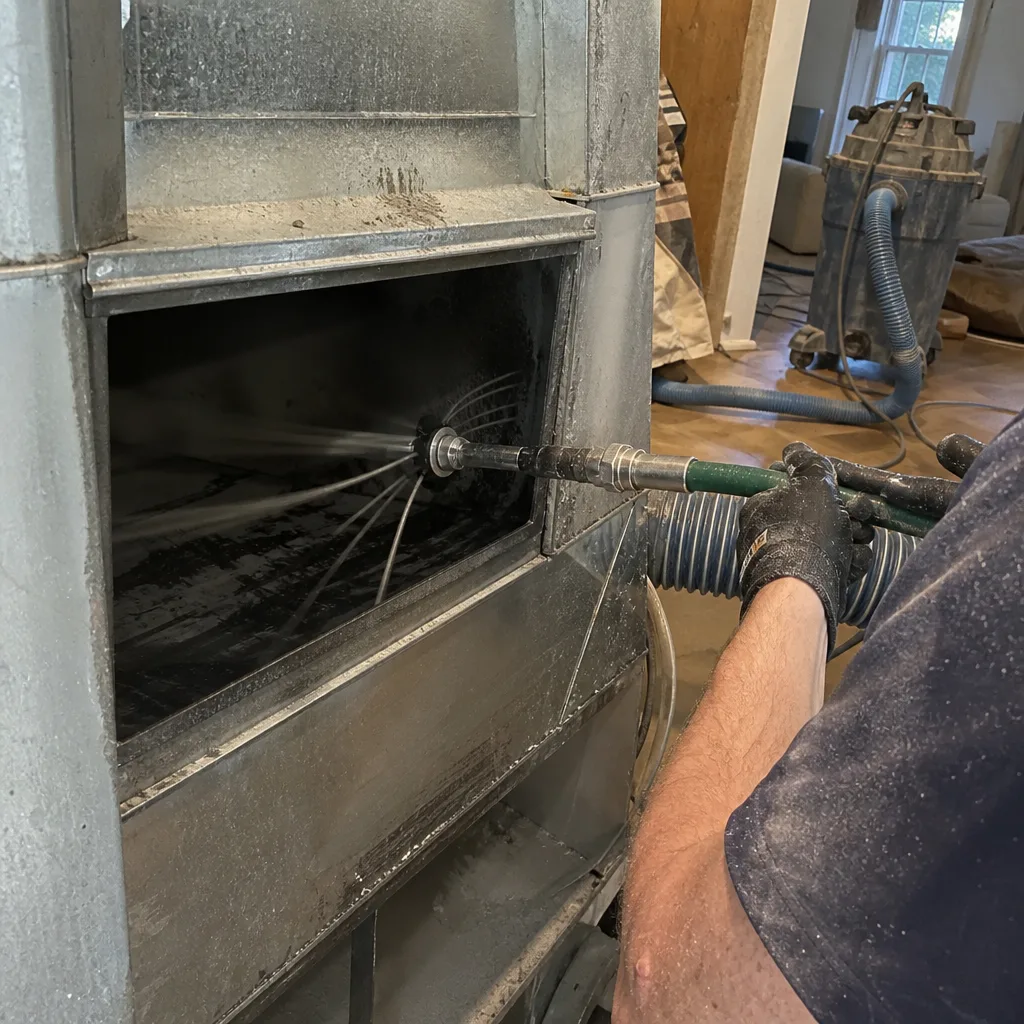
This is the complaint that generates the most distrust in our industry. A homeowner pays for duct cleaning, and within two to four weeks, dust levels seem unchanged. There are three distinct causes, and only one is a legitimate cleaning failure.
Cause 1: The Cleaning Was Inadequate (Legitimate Complaint)
As our DIY vs Professional Air Duct Cleaning guide explains, some operators use equipment that cannot achieve proper negative pressure or skip duct runs entirely. A shop vacuum with a rotary brush attachment run only at the register opening does not clean the duct run. We’ve been called to re-clean homes where the previous service lasted 45 minutes for a 3,000 square foot house with 20+ registers. Our standard job for that scope runs 3-4 hours with two technicians.
Signs of inadequate cleaning: no photo documentation, no access panels cut (required to reach trunk lines in many systems), no visible equipment beyond a portable vacuum, completion time under one hour for a whole-house system.
Cause 2: The Underlying Cause Was Never Addressed (Misdiagnosed Problem)
The ducts were cleaned, but dust is being introduced faster than normal through:
- Return-side duct leakage: The return plenum or duct connections pull unfiltered air from attic, crawl space, or wall cavities. Every cubic foot of leaked return air bypasses the filter entirely. In Northbrook’s climate, attic air in summer carries significant particulate.
- Filter bypass: A 1-inch filter not seated properly in its rack, or a filter with excessive pleat count for its frame size, allows air to flow around rather than through the media.
- Inadequate filtration: A MERV 4 fiberglass panel filter captures less than 20% of fine particulate. Upgrading to MERV 11-13 with proper fit often reduces dust accumulation more than duct cleaning.
Our crews check filter fit and return duct accessibility on every job. If we find significant leakage, we document it and quote sealing separately. Haven Standard Clause 1 requires written pricing for any additional work before it begins.
Cause 3: Normal Household Dust Generation (Unrealistic Expectation)
Some homes generate dust faster than others. Multiple pets, frequent fireplace use, carpet in high-traffic areas, and active construction nearby all increase particulate load. Duct cleaning removes accumulated reservoir material but does not change the generation rate. In these homes, more frequent filter changes and supplemental portable filtration may be necessary.
The photo record protects both parties. Our before-and-after images show what was in the ducts and what remained after cleaning. If dust returns quickly, we review the photo record with the homeowner to determine which cause applies. The 365-Day Done Right Promise covers re-cleaning if our work was incomplete; it does not cover newly introduced contamination or pre-existing conditions we documented and the homeowner chose not to address.
Allergies and Duct Cleaning: What the Evidence Shows
We do not sell duct cleaning as a medical intervention. The evidence does not support that framing, and homeowners who buy on that basis are often disappointed.
What the Research Actually Finds
The EPA’s 1997 literature review and subsequent studies have consistently found:
- Duct cleaning can reduce settled dust and particulate reservoirs in ductwork
- No controlled study has demonstrated consistent, clinically meaningful reduction in allergy symptoms post-cleaning
- The dominant indoor allergen sources are typically reservoirs in carpet, upholstery, and bedding, not ductwork
- Where duct cleaning has shown benefit, it has been in homes with severe visible contamination and where cleaning was combined with comprehensive source removal
What We Tell Northbrook Homeowners
If you have allergy symptoms and are considering duct cleaning, see our more guides & resources or we recommend:
- Check the registers using the criteria above. If there’s no visible debris and no discharge during operation, duct cleaning is unlikely to help.
- Upgrade filtration first. A properly fitted MERV 13 filter (we install Honeywell and Aprilaire media cabinets where the system supports them) captures a significant portion of fine particulate and costs far less than cleaning.
- Address reservoir sources: HEPA vacuuming of carpet and upholstery, dust-mite-proof bedding, humidity control below 50%.
- If symptoms persist and you’ve confirmed visible duct contamination, then cleaning may contribute as part of a broader approach.
We have served Northbrook homes where cleaning produced measurable particulate reduction (documented with pre- and post-cleaning particle counts using calibrated meters), and the homeowner reported subjective improvement. We have also served homes where cleaning produced the same particulate reduction and the homeowner reported no symptom change. We do not promise what we cannot guarantee.
20-Minute Self-Diagnostic Protocol
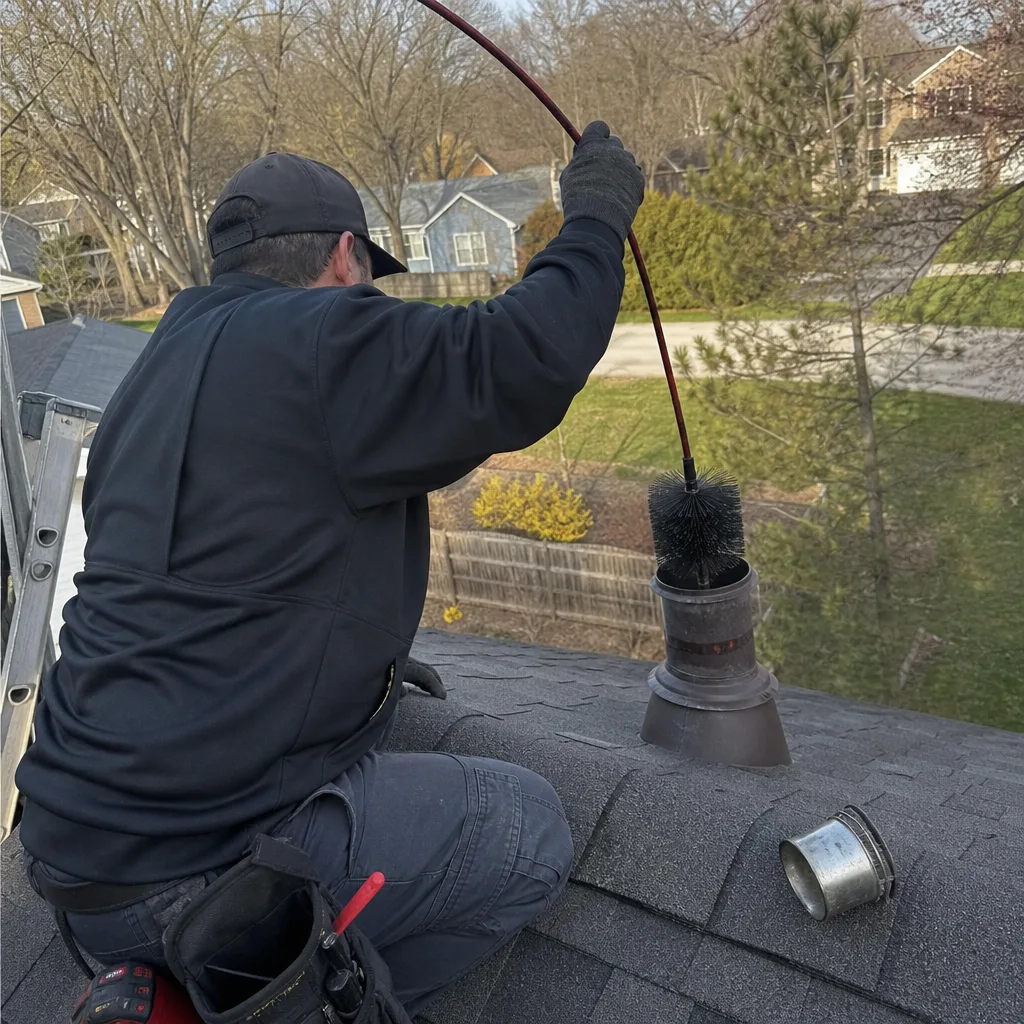
This protocol helps you determine which service to request before calling any provider. You’ll need a flashlight, a screwdriver to remove registers, and a tissue or light cloth.
Step 1: Register Inspection (5 minutes)
Remove one supply register from each level of your home and one return register. Shine a flashlight into the duct opening. Photograph what you see for reference.
What to record: color and texture of any material visible, approximate depth of any coating, whether material appears loose or adhered, presence of construction debris or organic matter.
Step 2: Debris Discharge Test (3 minutes)
Stand near a supply register when the blower cycles on. Hold a tissue in the air stream. Note any visible particles in the first 10 seconds of operation. Check three registers, including one at the end of a long duct run.
Step 3: Airflow Comparison (5 minutes)
With the system running, hold a tissue against each supply register in turn. Note which registers hold the tissue firmly, which barely move it, and which are intermediate. Map this against register location. A register above the garage or at the far end of the house with significantly weaker airflow suggests blockage or leakage.
Step 4: Filter Inspection (3 minutes)
Remove the filter at the air handler or return grille. Note the MERV rating printed on the frame. Check for bypass gaps around the filter edges. A filter that rattles or has visible gaps when installed is bypassing unfiltered air.
Step 5: Coil Access Check (4 minutes)
At the indoor air handler (usually basement, attic, or closet), remove the panel covering the coil. This typically requires no tools or a simple screwdriver. Shine a flashlight on the coil fins. Note any dark discoloration, visible mold, or debris accumulation. Photograph if possible.
Interpretation
| What You Found | What It Indicates | Service to Request |
|---|---|---|
| Visible debris in ducts, no coil contamination, normal filter | Duct cleaning warranted | Air duct cleaning with photo documentation |
| Clean ducts, moldy or dirty coil, musty odor | Coil contamination | HVAC cleaning with coil treatment |
| Clean ducts, clean coil, weak airflow at distant registers | Duct leakage or blockage | Duct inspection with pressure testing and sealing quote |
| Clean ducts, clean coil, dust returns quickly, poor filter fit | Filtration failure | Filter upgrade, possibly with media cabinet installation |
| Multiple issues present | Combined service needed | Comprehensive assessment with written scope for each component |
Bring your photos and notes to any estimate. A technician who does not want to review them before proposing work is not following an evidence-based process.
Common Mistakes to Avoid
- Booking a $79 coupon cleaning without verifying equipment and scope. In Northbrook’s market, this price point typically covers register vacuuming only, not full duct run cleaning with negative-pressure extraction and mechanical agitation. Ask specifically: how many duct runs, how long the job takes, and whether photo documentation is included.
- Treating musty odor as a duct problem. You’ll pay for duct cleaning and still smell it. The coil check in our protocol takes four minutes and prevents this error.
- Ignoring the return side. Return ducts pull air back to the air handler and are often dirtier than supply ducts, especially in homes with pets. A cleaning quote that only addresses supply registers is incomplete.
- Expecting allergy cure. Duct cleaning reduces reservoir dust. It does not eliminate allergen sources in carpet, bedding, or pet areas. Budget for filtration and environmental controls alongside or instead of cleaning.
- Accepting verbal pricing. Haven Standard Clause 1 exists because verbal estimates become higher invoices once work begins. Every scope item should appear in writing with its price before technicians start.
- Skipping the photo record. Without images, you have no verification that cleaning occurred or was thorough. Our standard deliverable includes before-and-after images of every duct run, delivered digitally within 24 hours.
- Cleaning ducts before sealing leaks. If your ducts leak significantly, cleaning deposits material that will be drawn into wall cavities or attic spaces through gaps. Seal first, or seal and clean as a coordinated scope.
When to Call a Professional
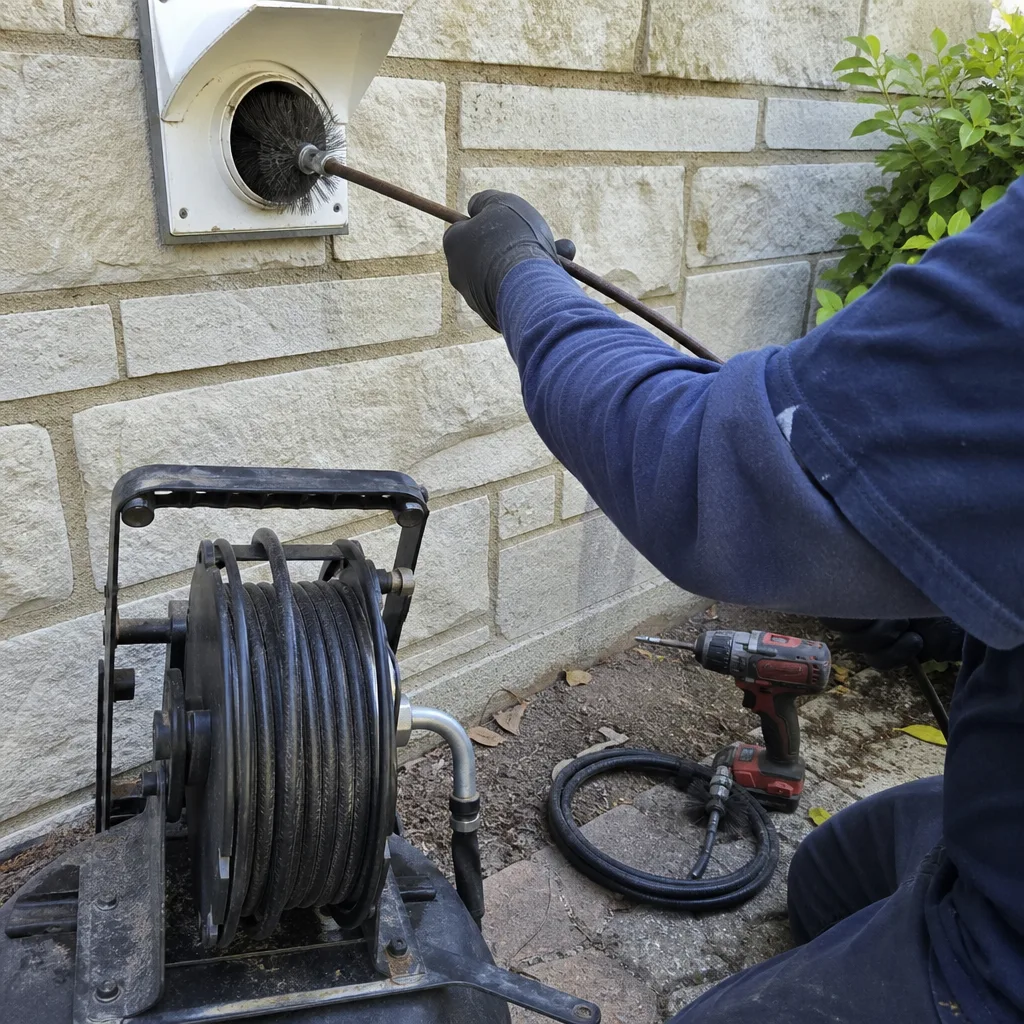
Call when your self-diagnostic confirms visible duct contamination, when you cannot safely access the air handler or coil for inspection, or when symptoms persist after you’ve addressed filtration and obvious sources. In Northbrook’s climate, with summer humidity amplifying coil issues and winter heating seasons concentrating indoor air exposure, accurate diagnosis matters more than speed.
CleanRun Air Duct Cleaning Northbrook offers free estimates in Northbrook. Every estimate includes a written scope and price before any work begins, documented photo records of every duct run if cleaning proceeds, and the 365-Day Done Right Promise backed in writing. Our technicians are background-checked and uniformed under Haven Standard Clause 3: Verified Crews, and we identify each technician by name before arrival. Call (224) 351-9772 to schedule.
Frequently Asked Questions
Whole-house air duct cleaning in Northbrook typically ranges from $450 to $850 for a standard residential system with 12-20 duct runs, depending on system accessibility and contamination level. Dryer vent cleaning adds $120-$180; HVAC coil cleaning adds $200-$350. CleanRun provides a written price before any work starts on every job, with no per-vent add-ons or post-arrival upsells. Call (224) 351-9772 for an exact quote - estimates are free.
Low quotes typically reflect limited scope: register surface cleaning only, no trunk line access, no photo documentation, and completion in under an hour. A proper negative-pressure extraction with mechanical agitation, access panel cutting where needed, and photo records of every run requires 3-4 hours for a typical Northbrook home. The $79-$129 price point does not cover this. Ask any provider to specify: number of duct runs included, equipment used (Rotobrush, Nikro, or Abatement Technologies systems are professional-grade), and whether before-and-after photos are delivered.
Demand a documented photo record showing the interior of every duct run before and after cleaning. CleanRun includes this as a standard deliverable on every job, delivered digitally within 24 hours. Without images, you have only the technician’s word. With images, you can verify that debris visible in the before photo is absent in the after photo. This practice has been our standard since 2013.
For most Northbrook homes, every 5-7 years if the system is properly maintained with appropriate filtration. Homes with multiple pets, recent construction, or known contamination events may need more frequent service. Homes with excellent filtration, no pets, and no construction may extend beyond 7 years. The self-diagnostic protocol above provides a more accurate indicator than any calendar interval.
Moderately, in specific cases. A heavily debris-restricted duct system can reduce airflow enough to extend HVAC run times. Cleaning restores design airflow, which can reduce energy consumption. However, the savings are typically modest, 5-15% in severe cases, and duct leakage has a far larger impact on efficiency than interior cleanliness. We measure airflow before and after cleaning when efficiency is a stated concern.
Duct cleaning addresses the supply and return duct runs that distribute air throughout your home. HVAC cleaning addresses the components at the air handler: evaporator coil, blower assembly, condensate pan, and sometimes the heat exchanger. Musty odors, reduced cooling capacity, and humidity control issues often require HVAC cleaning, not duct cleaning. Our Air Duct Cleaning in Northbrook and HVAC Cleaning in Northbrook services are quoted separately so you pay only for what you need.
The Bottom Line
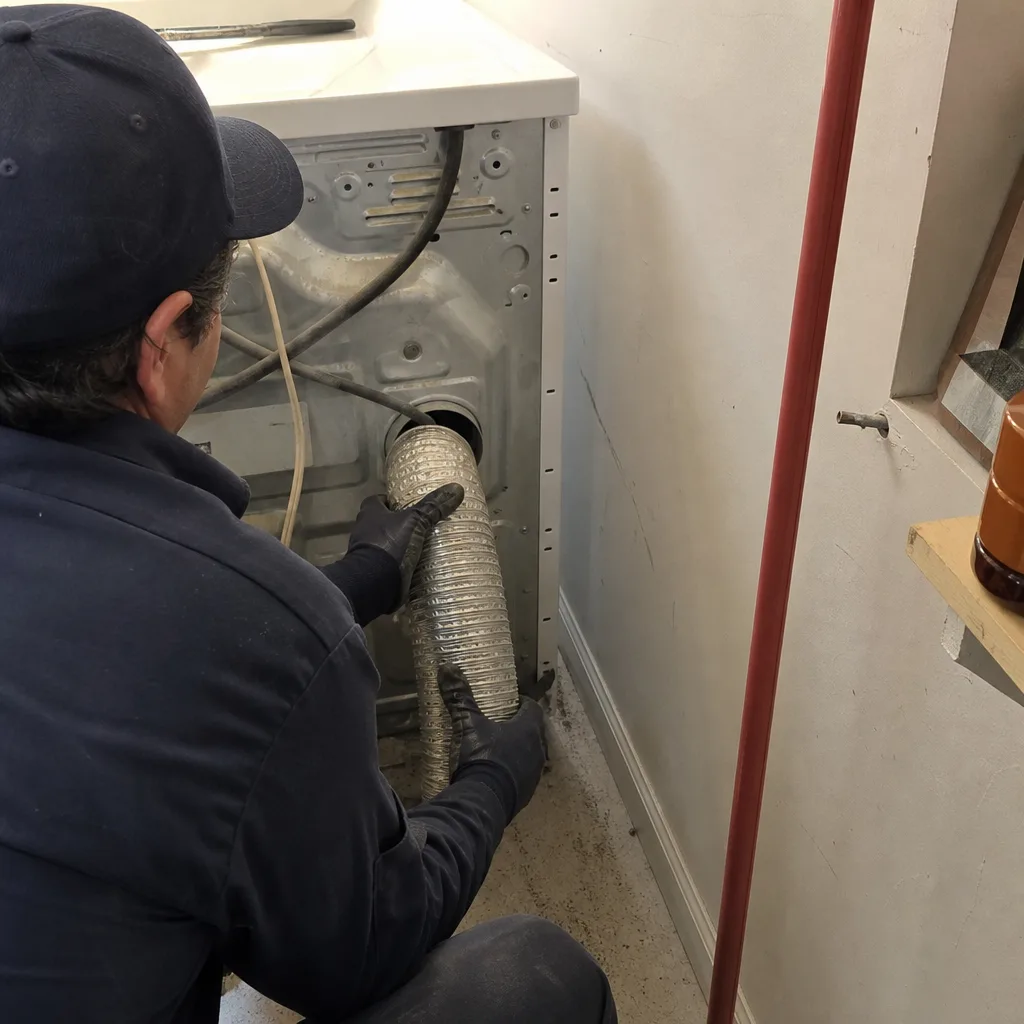
Accurate diagnosis prevents paying for the wrong service. Musty odors need coil cleaning. Uneven temperatures need duct sealing. Rapid dust resettling needs filtration or leak repair. True duct cleaning indicators are specific and observable: visible debris in duct runs, airflow reduction at distant registers, and active debris discharge during blower operation. Use the 20-minute protocol before calling any provider. Bring your findings to the estimate. And insist on written pricing, photo documentation, and equipment you can verify - the practices that distinguish accountable work from vacuum noise.
Written by Tomas Reyes, Owner at CleanRun Air Duct Cleaning Northbrook, serving Northbrook since 2013.