
Last updated September 23, 2026
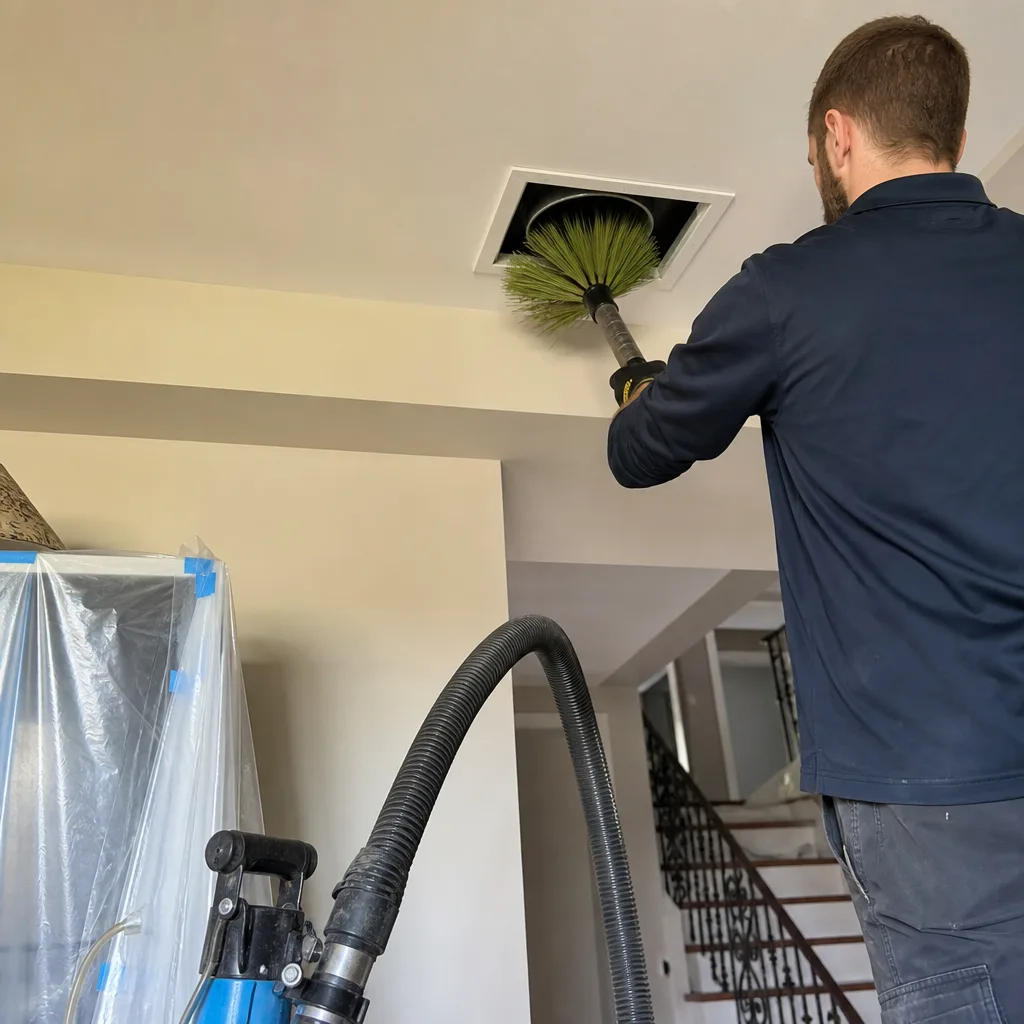
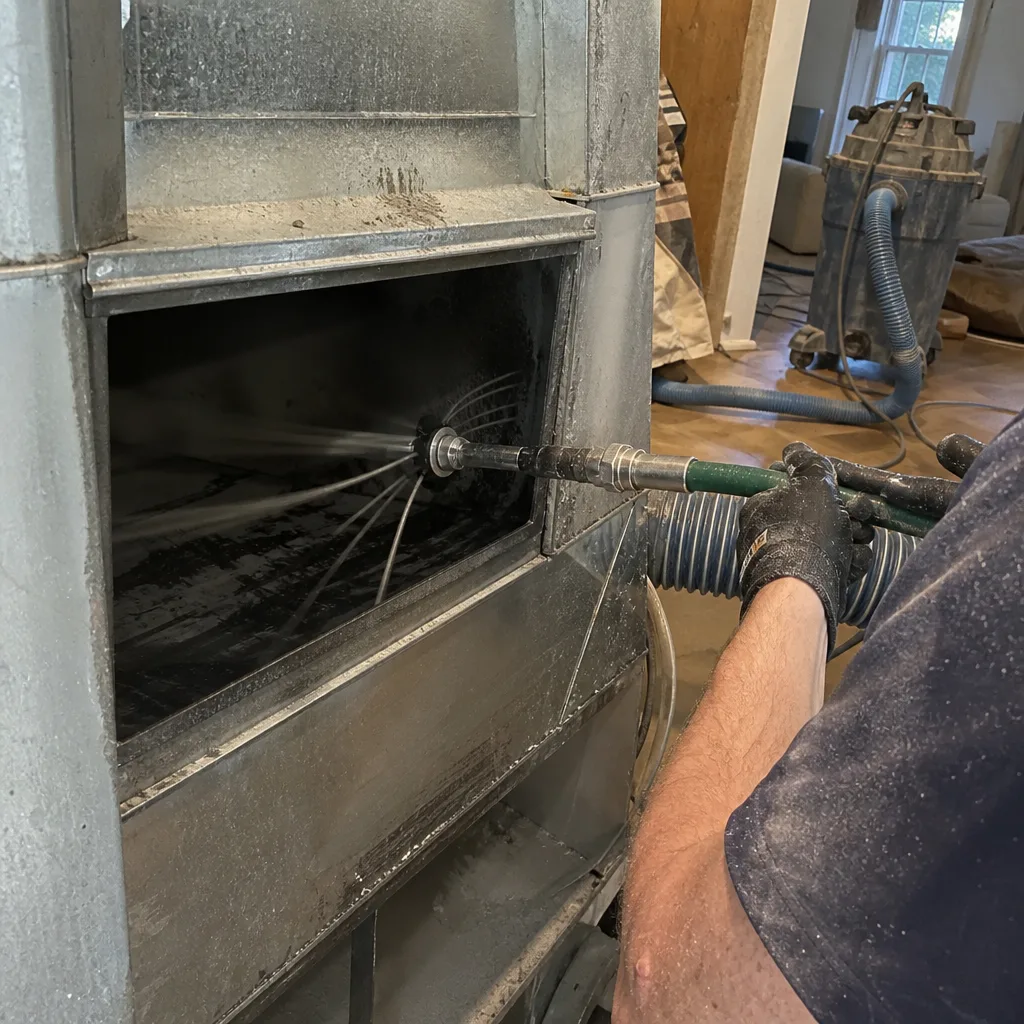
Whole-system duct and dryer vent check with before-and-after photos - you see exactly what came out of your vents
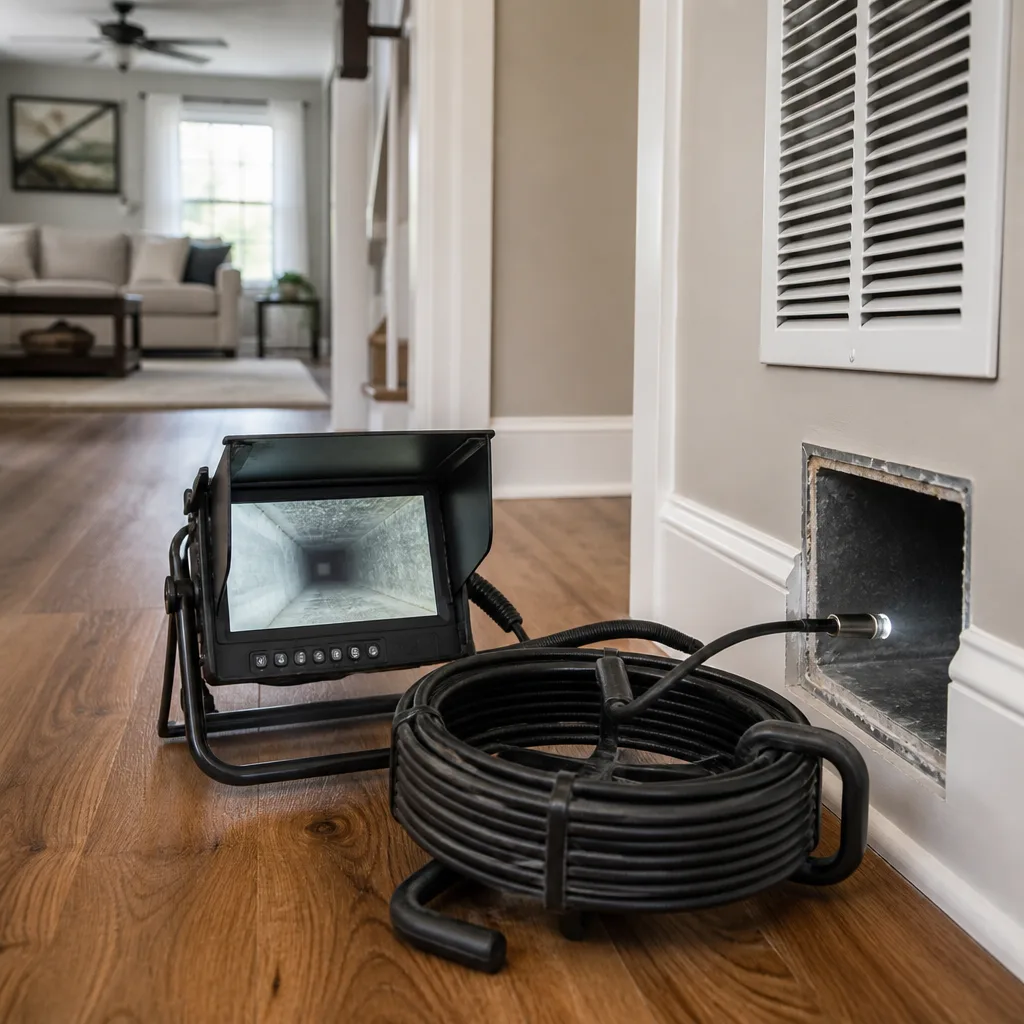
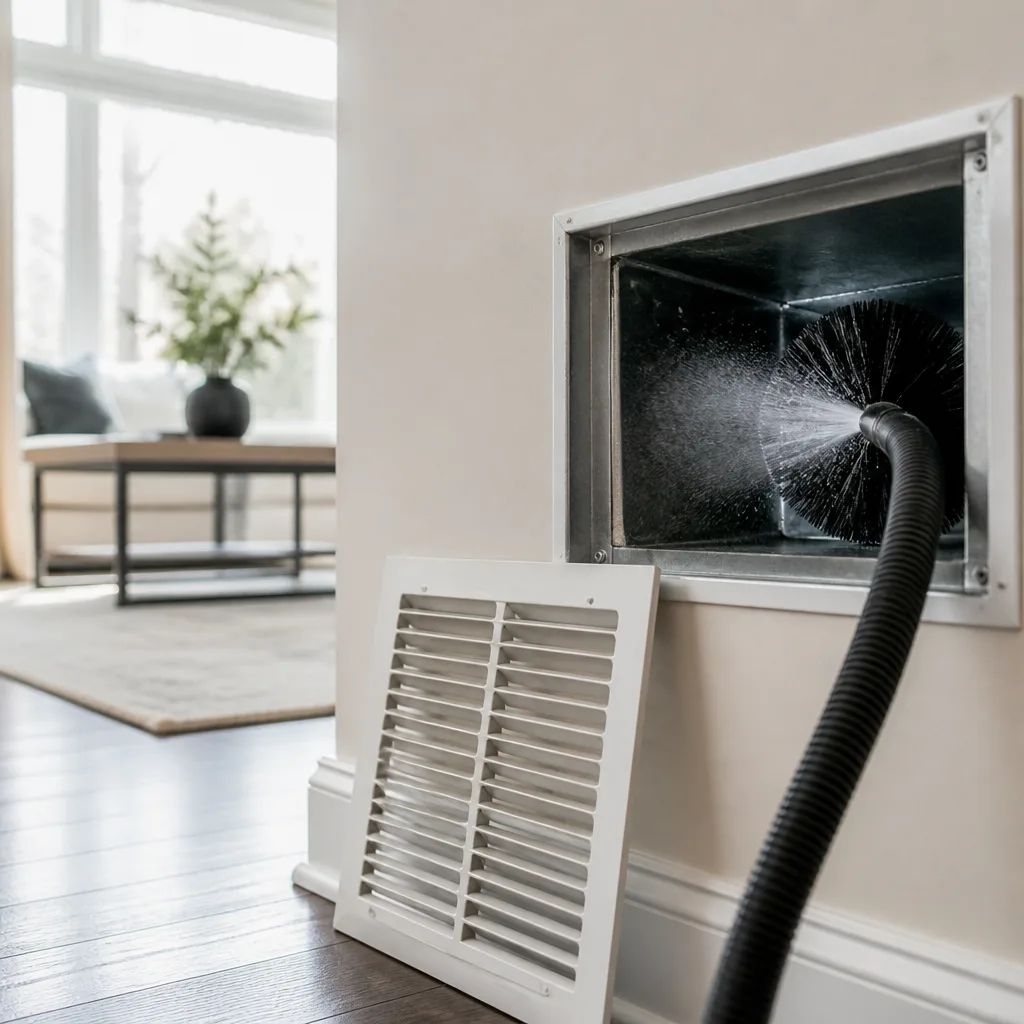
That "$99 whole-house special" is a bait ad - the real number appears once they are in your hallway, or the "clean" is a shop-vac at the register. We photograph the inside of your ducts before and after instead.
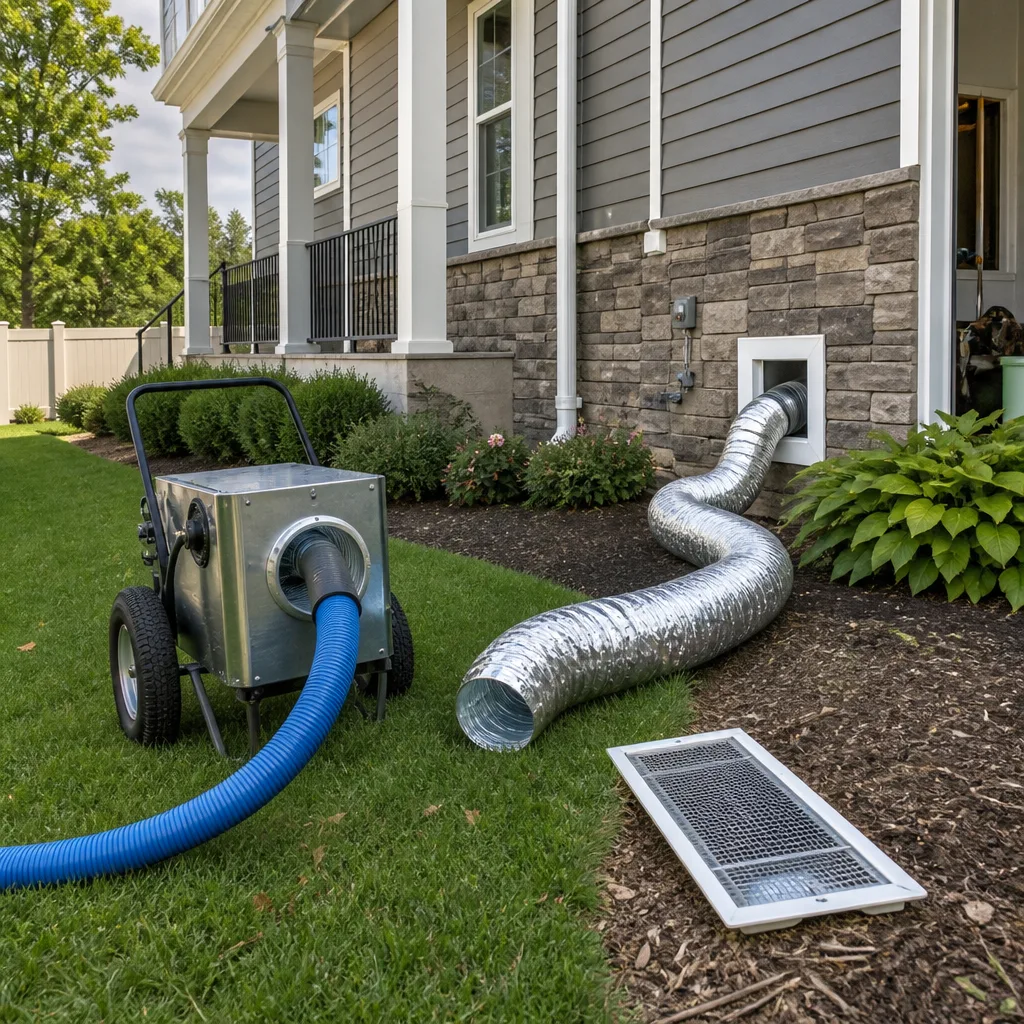
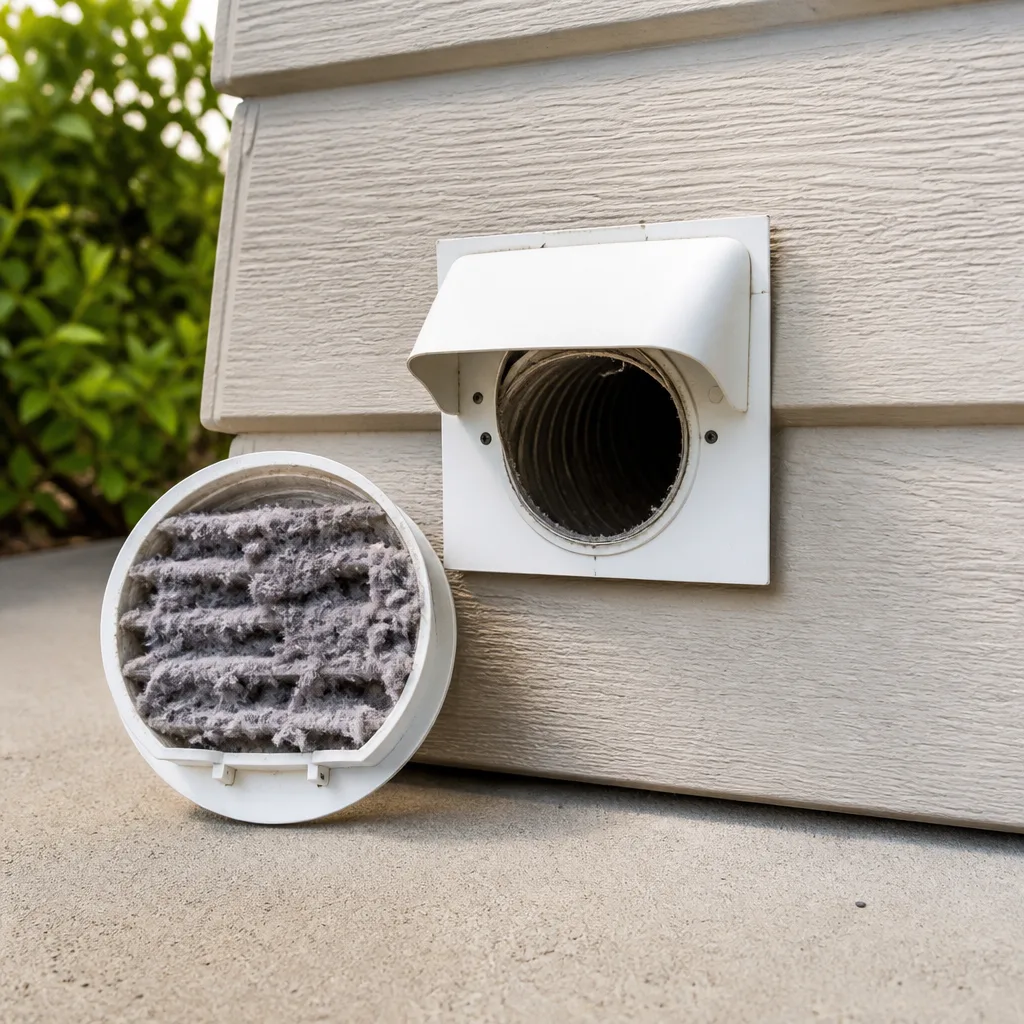
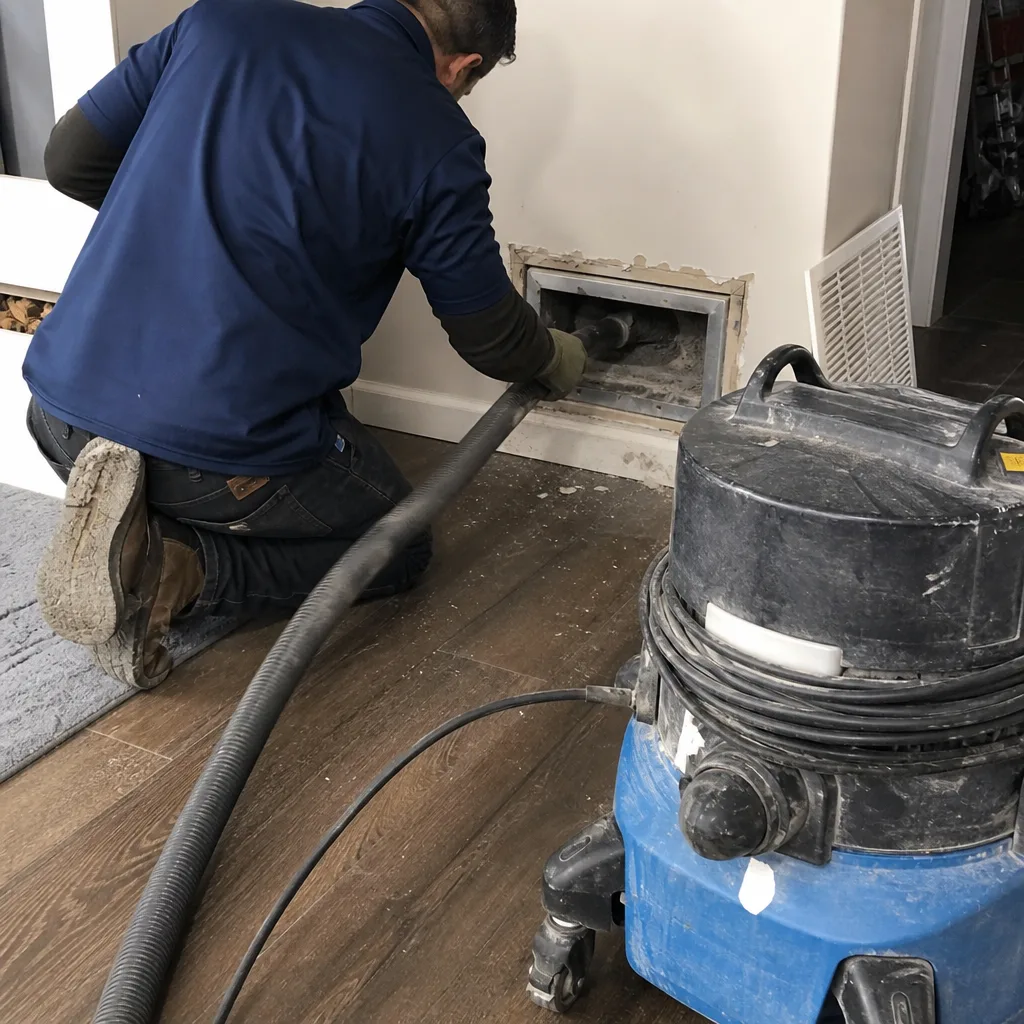 Before
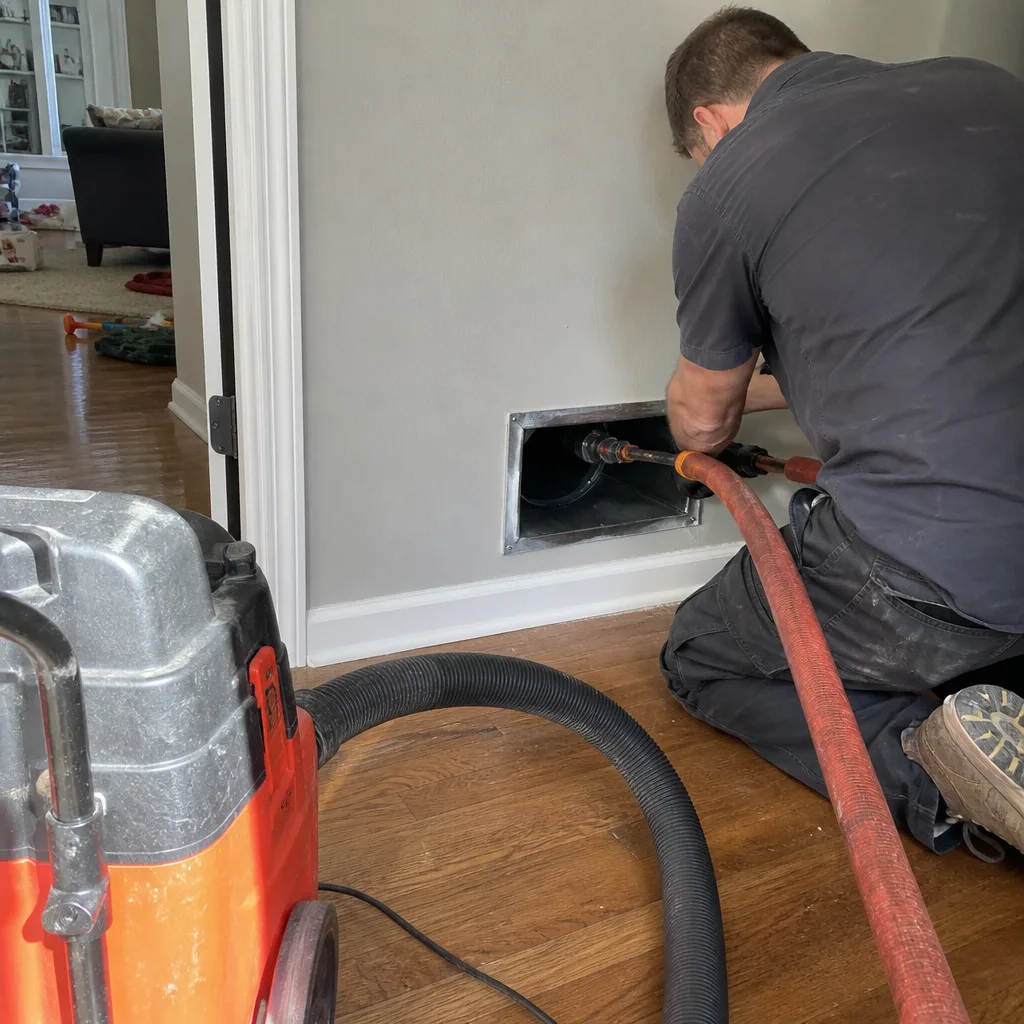 After
After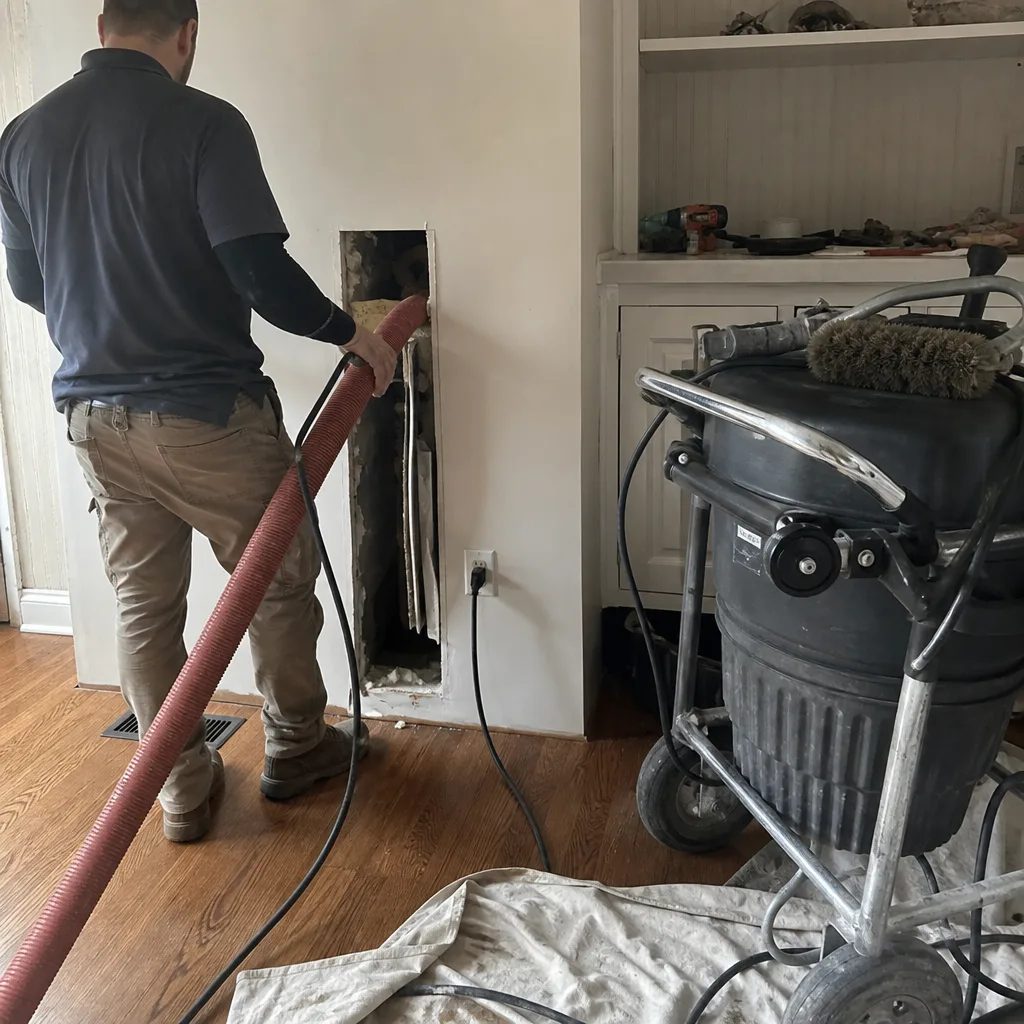 Before
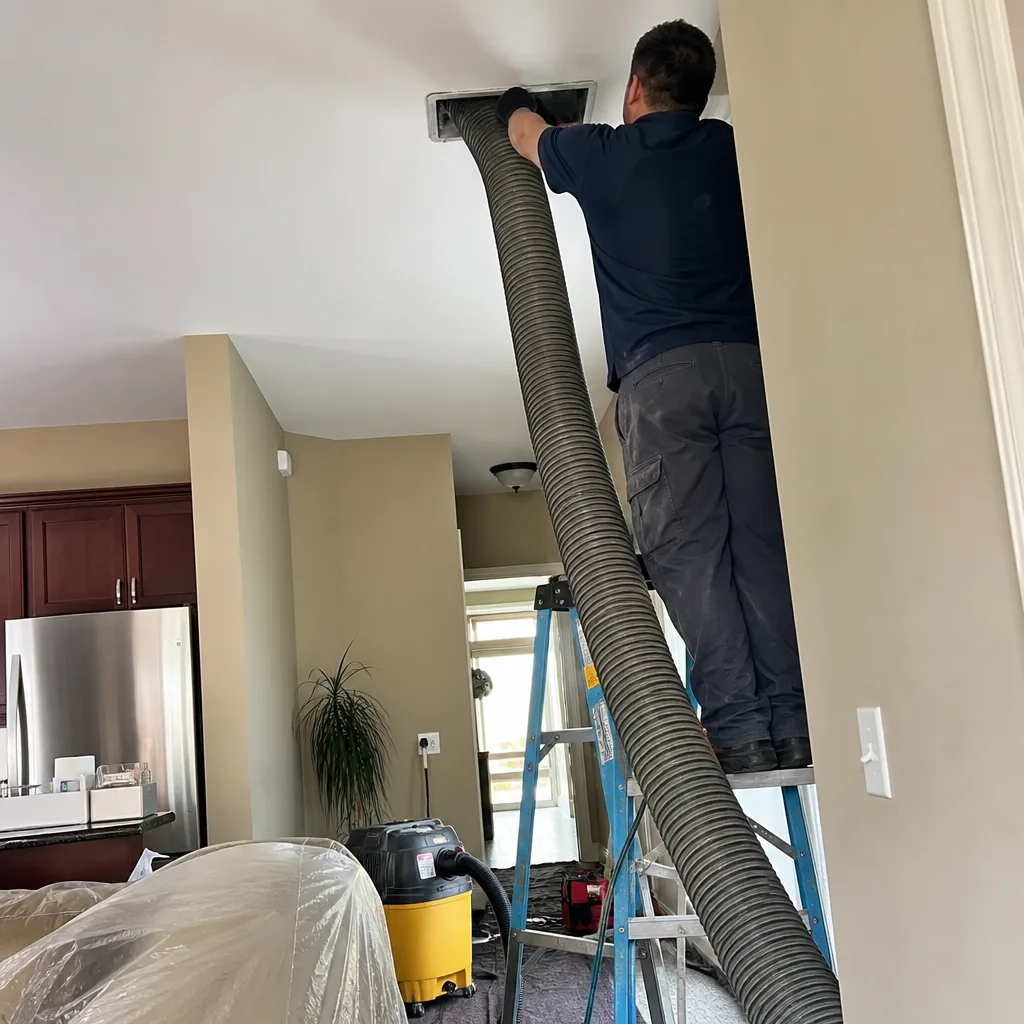 After
After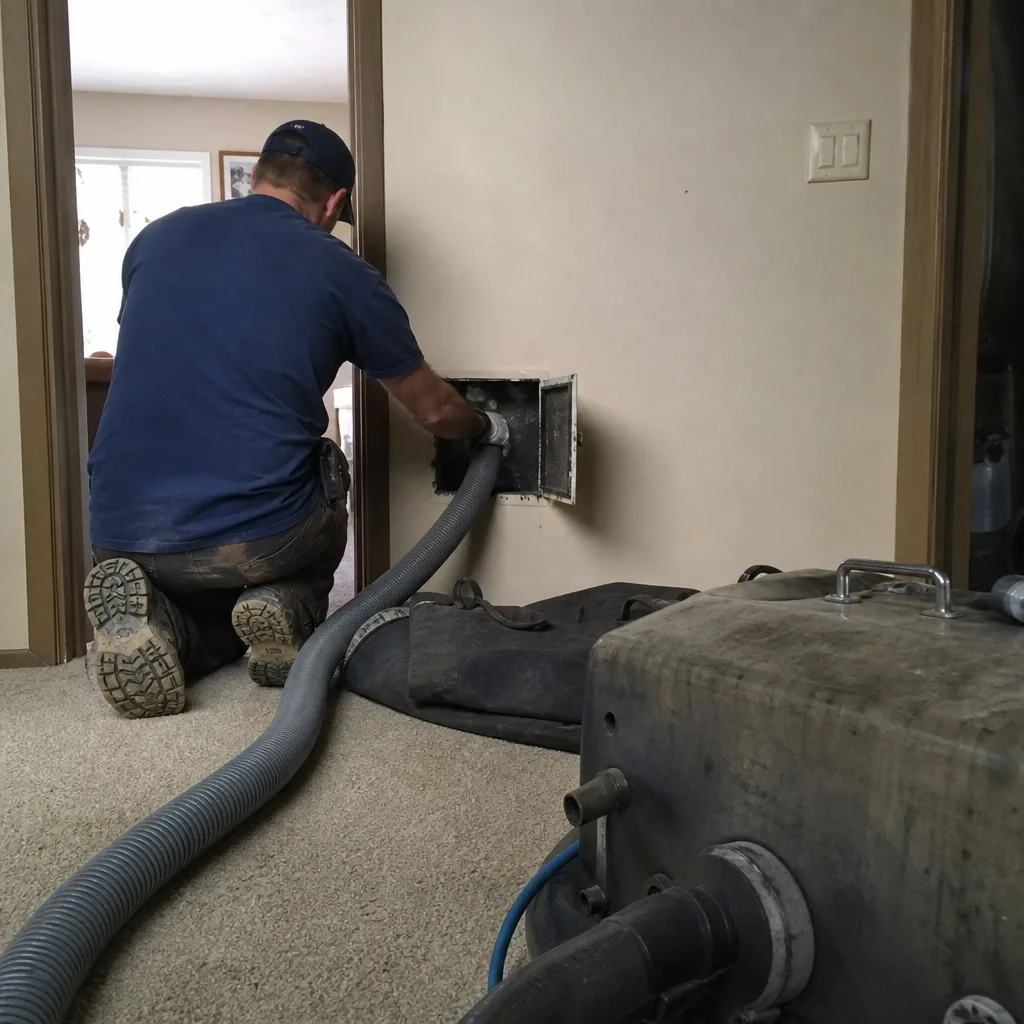 Before
 After
AfterAir Duct Cleaning Maintenance Checklist for Northbrook Homeowners
Most Northbrook homeowners have never looked past their supply registers. In twelve years of documented inspections, we’ve found that the single most revealing diagnostic tool costs nothing: a phone flashlight and the removal of one grille. The debris pattern on the back of that register, the condition of the first elbow, and the color of the duct liner tell more about your system’s health than any calendar reminder. This guide replaces generic “change your filter” advice with an evidence-based protocol you can perform yourself, log annually, and use to decide when professional Air Duct Cleaning is justified versus when you’re looking at a different problem entirely.
Quick Answer
A complete air duct maintenance checklist for Northbrook homeowners includes four core actions: quarterly register inspections with photo documentation, filter condition grading against replacement dates, annual logging of five measurable indicators (static pressure, odor events, discoloration patterns, filter dates, and HVAC service history), and seasonal awareness of local factors like Lake Michigan humidity and construction dust from area rebuilds. Professional cleaning is warranted when inspection reveals debris buildup beyond the first elbow, persistent musty odors after filter changes, or visible mold on duct liner, not on a fixed schedule.
Table of Contents
- The Register Removal Test: What One Grille Reveals
- Filter Condition Grading: 30, 90, and Overdue
- Five Measurements to Log Every Year
- Northbrook Seasonal Factors: Lake Humidity and Construction Dust
- Normal vs. Abnormal: Reading Your Findings
- Room-by-Room Inspection Protocol
- When DIY Maintenance Ends and Professional Work Begins
- Building Your Maintenance Record
BeforeAfterThe Register Removal Test: What One Grille Reveals
Remove one supply register from its boot. Use a floor register in a high-traffic room, typically the living room or main hallway. Photograph what you find before touching anything. This is your baseline.
What you’re looking at:
- The back of the grille itself: A thin, even layer of gray dust is normal. Clumped debris, hair wrapped around the fins, or black streaking indicates the filter has been bypassing particles or the return path is compromised.
- The first six inches of duct liner: In Northbrook homes built between 1950 and 1990, this is often fiberglass duct board or lined metal. Fresh liner is yellow or pink. Gray discoloration is expected. Dark brown or black buildup, especially if it wipes off on your finger, signals accumulation that has progressed beyond surface dust.
- The elbow or transition: Most residential ductwork makes a turn within 12 inches of the register. Shine your light around that corner. If you cannot see the turn because debris obscures it, you’ve found actionable evidence.
We document this same view on every Air Duct Cleaning in Northbrook job, before and after, using a borescope camera. The homeowner receives these images as part of the standard job record. When you perform this test yourself, you’re replicating the first step of our inspection protocol. The difference is that we can reach the full duct run; you can reach what your arm and flashlight allow, which is sufficient for monitoring.
Do this quarterly. Same register, same angle, same lighting if possible. Over time, you’ll have a visual timeline more useful than any calendar reminder.
Filter Condition Grading: 30, 90, and Overdue
Filter replacement frequency is not arbitrary. The rate at which a filter loads depends on occupancy, pets, interior finishing activity, and the system’s runtime hours. Northbrook’s heating season runs November through March, often with continuous fan operation in the coldest weeks. That loads a filter faster than the same calendar period in a milder climate.
Grade your filter at removal using these observable stages:
| Stage | Visual Description | What It Means for Duct Contamination |
|---|---|---|
| 30-day filter | Light gray dust coating, pleats still distinct, no visible matting | Normal loading rate. System is capturing particles before they enter the ductwork. |
| 90-day filter | Medium gray to brown, pleat edges beginning to compress, visible debris thickness | Approaching capacity. Some particles may be bypassing the loaded media during high-static events (blower startup, defrost cycles). |
| Overdue filter | Dark brown or black, pleats collapsed or bowed, debris falling out when handled | Bypass is occurring. Unfiltered air is entering the return plenum and distributing through supply runs. Duct contamination is accelerating. |
The critical distinction: a 90-day filter in January is not the same as a 90-day filter in May. Winter runtime in Northbrook can exceed 2,000 hours in a three-month period. Summer cooling runtime, with Lake Michigan humidity adding latent load, runs shorter but with higher static pressure. Log the replacement date and the runtime season, not just the calendar.
We recommend MERV 8-11 pleated filters for most Northbrook systems. Higher MERV ratings restrict airflow in older ductwork and can increase static pressure beyond manufacturer specification. If you’re unsure of your system’s tolerance, the filter frame often lists the maximum recommended MERV. When in doubt, a lower MERV changed more frequently outperforms a higher MERV left in place too long.
Five Measurements to Log Every Year
A maintenance record converts observations into data. These five measurements take under 30 minutes to collect annually and create an evidence trail that protects you from unnecessary service and justifies necessary service when the time comes.
- Static pressure drop across the filter: Purchase a digital manometer or use the static pressure port if your furnace has one. Record inches of water column (in. w.c.) with a clean filter installed, then again just before replacement. A rise of more than 0.3 in. w.c. indicates the filter is loading faster than expected, which stresses the blower and increases bypass. Normal total external static pressure for residential systems is 0.5 in. w.c. or less.
- Filter replacement date and runtime season: Note the date, the filter brand and MERV, and whether the period was primarily heating, cooling, or mixed. This contextualizes the visual grade you assign at removal.
- Musty odor events: Log any occurrence of musty smell from registers, including the room, duration, and whether it correlated with system startup, continuous operation, or weather events. Musty odors that persist after filter replacement and do not correlate with humidity spikes indicate biological growth in the ductwork or plenum, not just filter loading.
- Visible register discoloration: Photograph each supply register annually. Darkening around the grille edges, black streaking on the ceiling surrounding the register, or uneven dust patterns indicate airflow problems (leaky boot, disconnected duct, or register imbalance) that accelerate contamination in specific runs.
- HVAC service dates and findings: Record technician notes from annual maintenance, especially any mention of blower wheel debris, evaporator coil condition, or refrigerant leaks. A dirty blower wheel often correlates with duct debris, as the same unfiltered air passes through both.
Store these in a simple spreadsheet or even a dedicated photo album on your phone. The value is not in sophistication but in continuity. When you call for service in three years, you’ll have evidence of change over time, not just a current snapshot.
Northbrook Seasonal Factors: Lake Humidity and Construction Dust
Northbrook’s location 25 miles north of Chicago and two miles west of Lake Michigan creates specific duct contamination patterns that inland suburbs do not share. Understanding these local factors prevents misdiagnosis and mistimed maintenance.
Summer humidity load: From June through September, prevailing easterly winds carry Lake Michigan moisture across Northbrook. Relative humidity in homes without dedicated dehumidification often exceeds 60%, especially in ranch-style homes with crawl space ductwork in neighborhoods like Meadow Ridge and Greenbriar. Humid return air passing over a cool evaporator coil creates condensate that, if drainage is imperfect, wets the nearby duct liner. Wet fiberglass duct board is a growth medium. If your summer odor events cluster around July and August and resolve with cooler, drier September weather, you’re likely seeing seasonal condensation, not a system-wide contamination problem. Address the humidity source first.
Construction dust: Northbrook has active teardown and rebuild activity, particularly in the east side neighborhoods near Shermer Road and the west side near Techny Road. Demolition of 1950s and 1960s homes releases plaster, lathe dust, and older insulation materials that remain airborne for weeks. If your home is within three blocks of active construction, your filter loading rate may double during demolition and foundation phases. We’ve documented this in our CleanRun Air Duct Cleaning Northbrook home service records: filters in homes near active teardowns require replacement at 45-60 days, not 90, during construction periods.
Winter air dryness and static: The flip side of summer humidity is winter desiccation. Heated indoor air in January often holds less than 20% relative humidity. This does not directly contaminate ducts, but it increases electrostatic particle adhesion to duct surfaces. Dry dust clings more tenaciously than humidified dust, which can affect what professional cleaning removes and what remains.
Fall leaf mold: Northbrook’s mature tree canopy, especially in neighborhoods like Wescott and Sunset Fields, produces significant leaf litter. Mold spores from decaying leaves enter outdoor air intakes and can load filters faster in October than in any other month. If your system has an outdoor air intake or you operate window units into early fall, this is your peak filter stress period.
Normal vs. Abnormal: Reading Your Findings
The purpose of inspection is to distinguish maintenance from remediation. These are not the same. Maintenance prevents problems. Remediation addresses problems that have already developed. Knowing which you’re looking at saves money and prevents unnecessary service.
Normal findings that require no professional intervention:
- Thin, even dust layer on register backs, wipeable with a damp cloth
- Gradual graying of duct liner near registers, with no thickness or clumping
- Filter loading consistent with occupancy and season
- Occasional dust puff at system startup after extended off time
- Uniform register discoloration across all rooms
Abnormal findings that justify professional assessment:
- Debris buildup beyond the first elbow visible with flashlight and mirror
- Musty odors that persist after filter replacement and do not correlate with weather
- Visible mold growth on duct liner (typically green, black, or white fuzzy patches)
- Inconsistent contamination: one room heavily soiled, others clean
- Filter collapsing or bowing before scheduled replacement date
- Debris falling from registers when system cycles on
- Evidence of pests: droppings, nesting material, or insect casings
One critical distinction: black streaking on the ceiling around a register is almost always a leaky boot or disconnected duct, not duct contamination. Sealing the connection solves the problem; cleaning the duct does not. Similarly, a single room with heavy debris while others remain clean indicates a return leak pulling air from a contaminated space (attic, crawl space, wall cavity), not a system-wide cleaning need. In our experience across Northbrook homes, roughly 30% of “dirty duct” calls resolve to duct leakage or balance issues that cleaning would not address.
Room-by-Room Inspection Protocol
This protocol requires a flashlight, your phone camera, and a long-handled mirror (a dental inspection mirror works, or a phone on selfie mode at arm’s length). Plan 45 minutes for a 2,000-square-foot home.
- Living room / main common area: Remove the floor or wall register with the highest airflow (feel with your hand; it’s the one that blows strongest). Photograph the back of the grille and the first 12 inches of duct. Check for pet hair accumulation, which indicates the return path is not capturing shedding effectively. Note any furniture that blocks the register; restricted supply airflow increases static pressure and filter bypass.
- Kitchen: Inspect the register nearest the cooking area. Grease vapor from cooking travels farther than most homeowners assume. A sticky, yellow-tinted film on the grille back indicates grease loading, which captures dust and creates a compounded buildup. This is common in Northbrook’s open-plan homes where kitchen islands sit under central supply registers. If present, increase filter change frequency and verify range hood exhaust is actually venting outdoors, not recirculating.
- Bedrooms: Check each bedroom register for uneven discoloration. Bedrooms with closed doors during the day develop pressure imbalances that can reverse airflow in weakly connected duct runs, pulling debris from wall cavities. If one bedroom register is significantly dirtier than others, note whether the door is typically closed and whether the room has a dedicated return or relies on under-door clearance.
- Bathrooms: Bathroom registers are rarely supply ducts; they’re often exhaust fans. But if your home has supply registers in bathrooms, inspect for corrosion on the grille. High humidity from showers accelerates metal degradation and can indicate condensate in the duct run, a precursor to liner saturation.
- Basement / utility room: This is where the system lives. Photograph the filter slot, the blower compartment (if accessible), and the plenum connections. The plenum is the large duct that distributes air from the furnace to the individual runs. Look for dust accumulation at seams, which indicates leakage. Check the evaporator coil access panel for any technician notes or dates. If your home has a humidifier on the supply plenum, inspect for mineral scale, which can flake off and distribute through ducts.
- Attic or crawl space (if accessible and safe): Do not enter unsafe spaces. But if you have a pull-down attic stair or crawl space access, shine a light at the ductwork from the opening. Look for disconnected flex duct, crushed sections, or daylight visible through seams. Northbrook’s freeze-thaw cycles can shift ductwork in unconditioned spaces over years.
Label each photo with the room and date. Store in a dedicated album. This is your evidence base.
When DIY Maintenance Ends and Professional Work Begins
Homeowners can maintain filters, registers, and observation logs. They cannot perform negative-pressure extraction on duct runs, access the full length of lined ductwork, or remediate biological growth safely. The boundary is clear when you understand what each approach can and cannot reach.
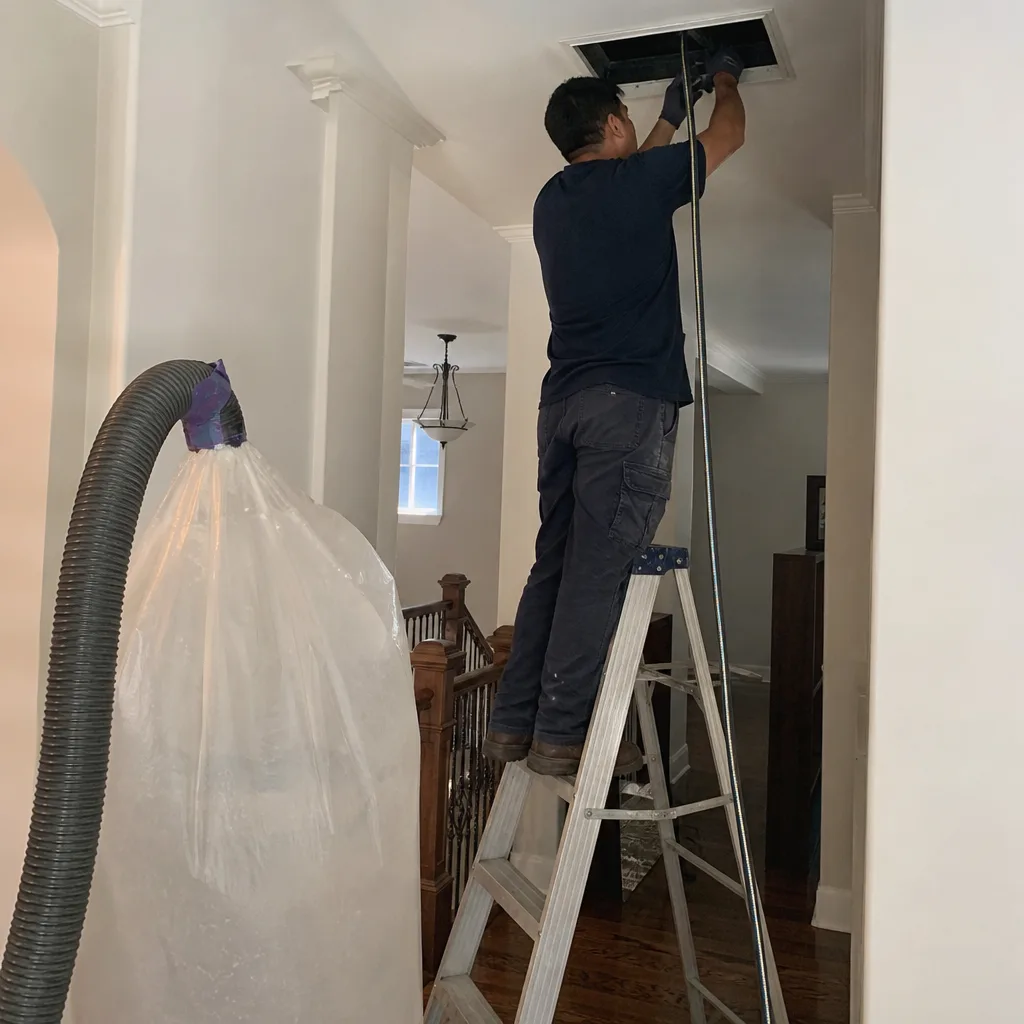
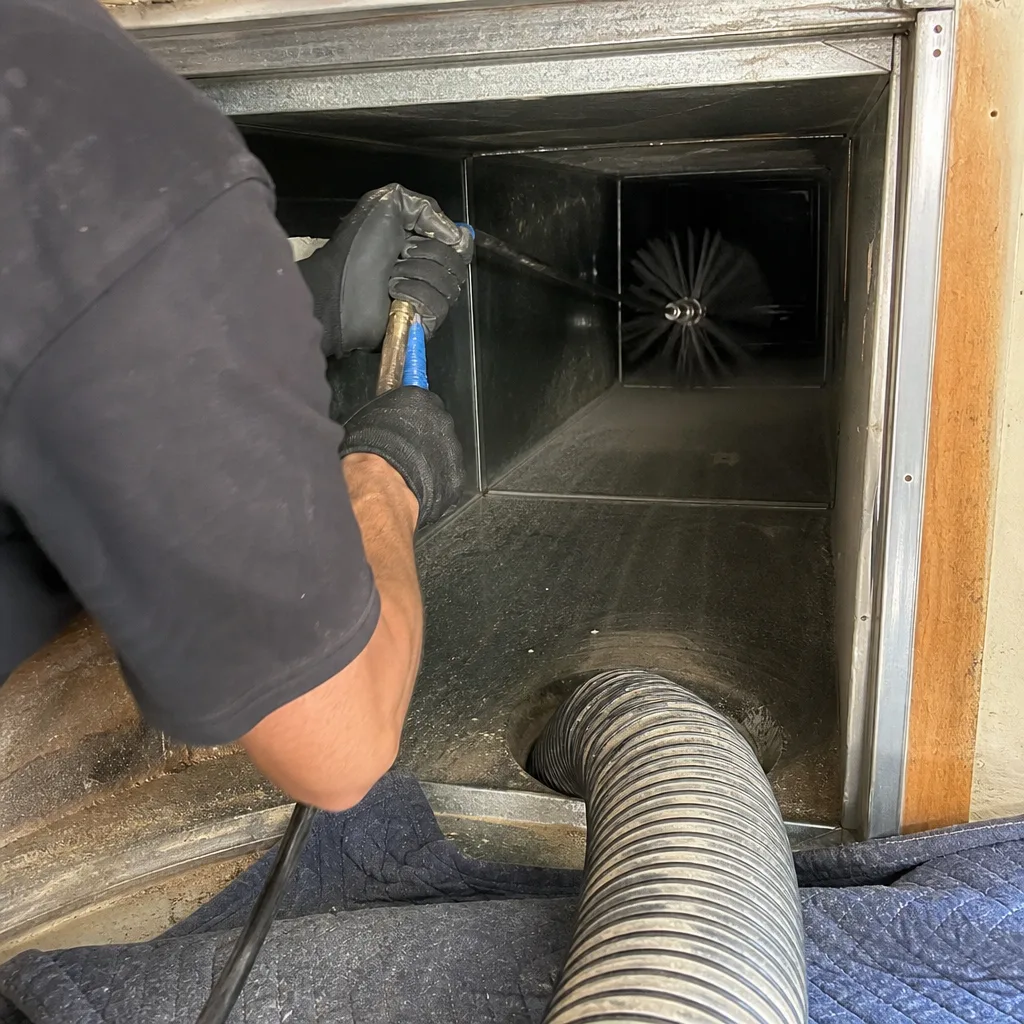
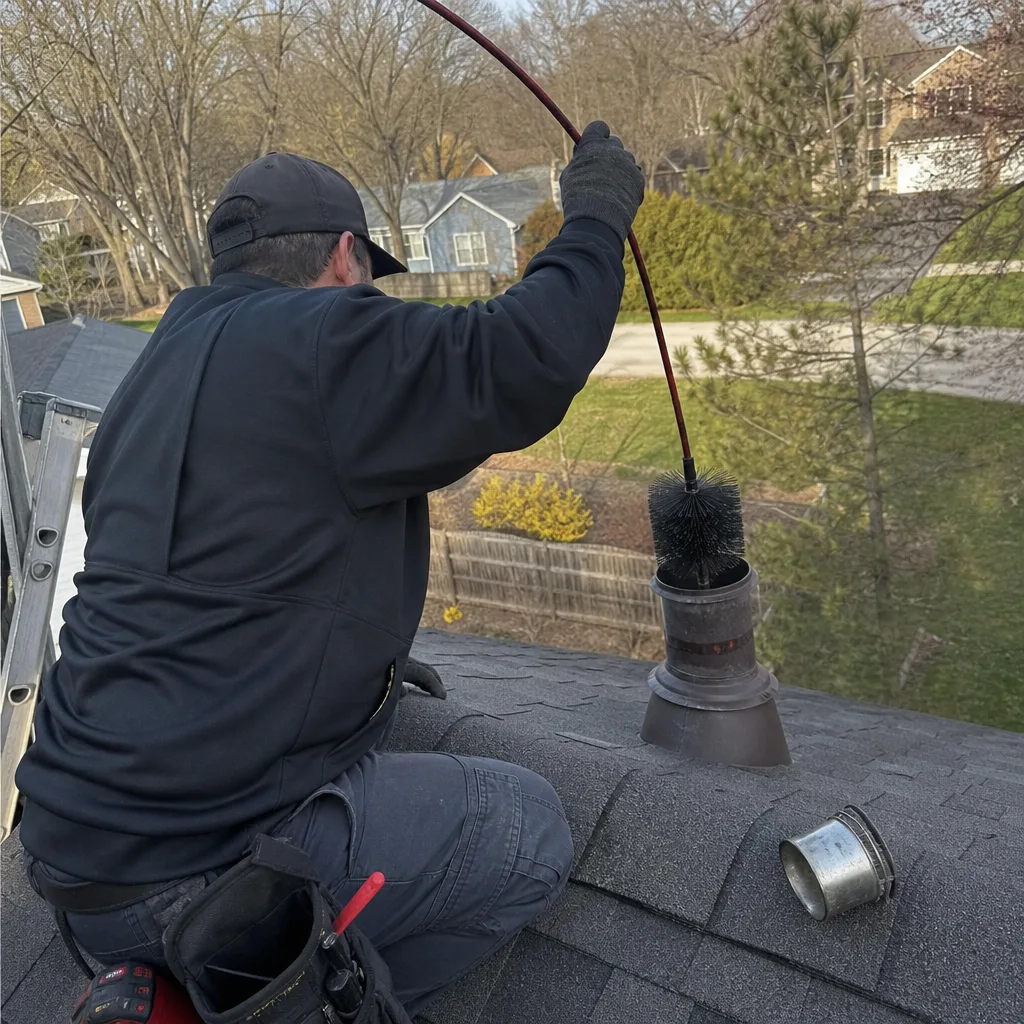
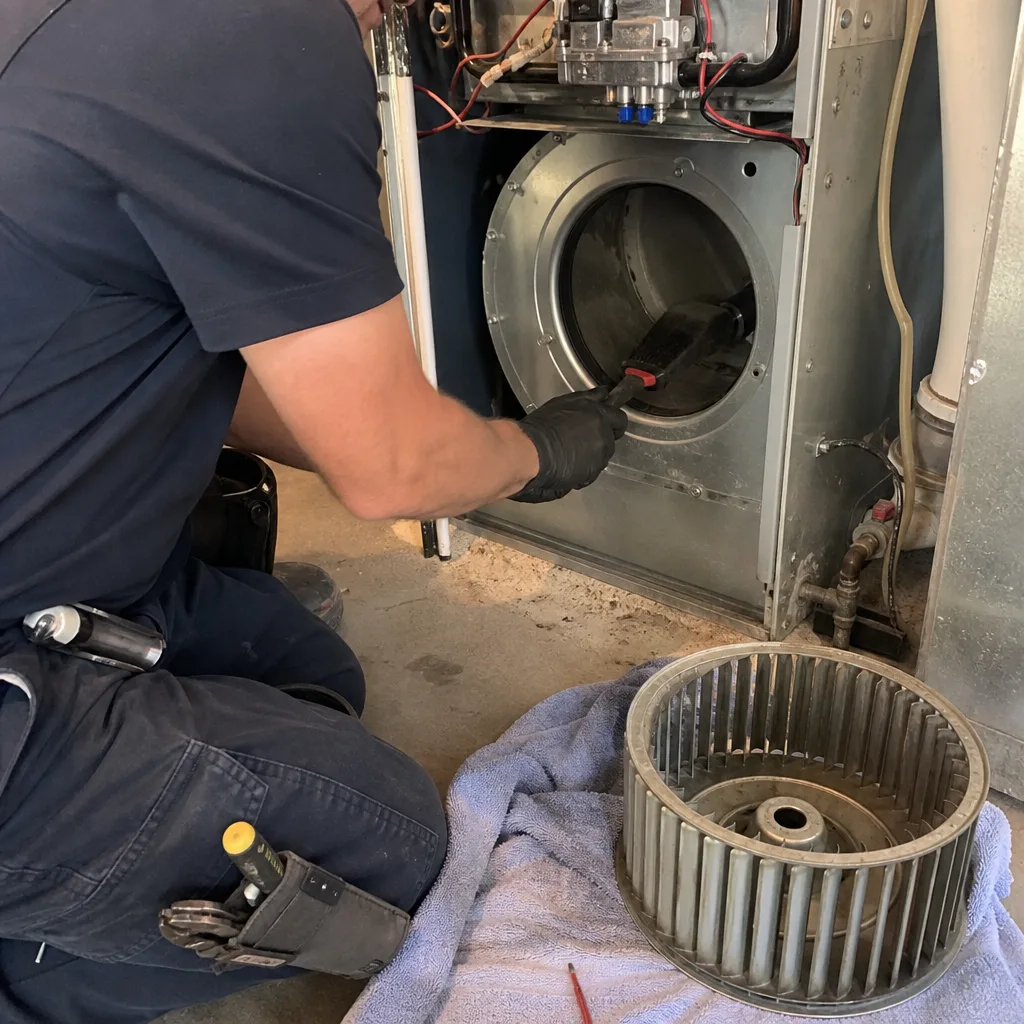
Professional duct cleaning, as performed by HVAC Cleaning in Northbrook services using equipment like Rotobrush contact cleaning systems or Nikro negative-pressure extractors, is designed to remove adhered debris from the full duct run, not just the accessible portions. The process involves sealing registers, creating controlled negative pressure at the plenum, and agitating debris with mechanical brushes or compressed air tools so it can be extracted. This requires equipment that generates sufficient airflow (typically 4,000+ CFM for residential systems) to prevent recontamination of the home during cleaning.
What homeowners should never attempt:
- Applying biocides or antimicrobial treatments inside ductwork. EPA-registered products require application training and post-application verification. Misapplication can cause respiratory irritation and does not address the moisture source that enabled growth.
- Cutting access holes in ductwork to reach interior surfaces. This compromises structural integrity and violates mechanical code in most jurisdictions, including Cook County.
- Using household vacuums or shop vacuums with inadequate filtration. Standard vacuums exhaust fine particles through the motor cooling path, recontaminating the space.
- Disturbing vermiculite insulation or asbestos-containing duct wrap. Northbrook homes built before 1980 may contain these materials. Disturbance requires licensed abatement.
The transition point is evidence-based: when your inspection shows debris beyond your reach, odors that persist after filter and humidity correction, or any indication of biological growth, professional service is warranted. Not before. Premature cleaning wastes money and, in the case of aggressive brushing on aging duct liner, can cause damage.
Building Your Maintenance Record
A maintenance record is a defensive document. It protects you from unnecessary service, justifies necessary service to skeptical household members, and provides technicians with historical context that prevents redundant work.
Your record should include:
- Annual photo sets from the room-by-room protocol
- Filter replacement log with dates, brands, MERV ratings, and visual grades
- Static pressure readings with dates and filter conditions
- Odor event log with correlations to weather or activities
- Professional service records, including scope of work and any photos provided
When you engage a professional, request that they add to this record. At CleanRun, every job concludes with a Documented Photo Record of every duct run, before and after, delivered as part of the standard job record. This is not an extra; it is included on every visit, as it has been since our first job in 2013. You receive images you can add to your maintenance file, creating continuity between DIY observation and professional service.
The Haven Standard Clause 1 governs our pricing: a written price delivered before any work starts, every time, with no exceptions. You can request this estimate without commitment and compare it to your maintenance record to verify the scope is justified by your evidence.
Common Mistakes to Avoid
- Cleaning on a fixed schedule regardless of evidence. The “every three to five years” rule has no basis in observable condition. We’ve serviced Northbrook homes that needed cleaning after 18 months due to construction exposure, and others with 12-year-old ducts that remained clean due to consistent filter maintenance and tight construction.
- Ignoring the return side. Supply registers get attention because they’re visible. But return ducts, especially in homes with central return grilles on hallways, load faster because they draw unfiltered air from the home. The return plenum is often the dirtiest component we photograph.
- Using the wrong filter for the system. A MERV 13 filter in a 1980s furnace with a permanent-split capacitor blower motor restricts airflow, increases energy consumption, and can cause the heat exchanger to overheat. Check the equipment manual or the filter frame for maximum recommended MERV.
- Sealing registers with tape or plastic during nearby construction. This seems logical but creates pressure imbalances that stress the blower and can collapse flexible ductwork. Instead, increase filter change frequency and consider temporary media filters.
- Assuming new construction means clean ducts. New Northbrook builds and major renovations often have the dirtiest ducts we encounter. Drywall dust, sawdust, and construction debris enter the system during finishing, and builders rarely clean before startup. We recommend inspection and cleaning before occupancy in new construction.
- Treating odor with air fresheners or register clips. These mask symptoms without addressing cause. Persistent musty odor indicates moisture or biological activity that requires source remediation, not scent coverage.
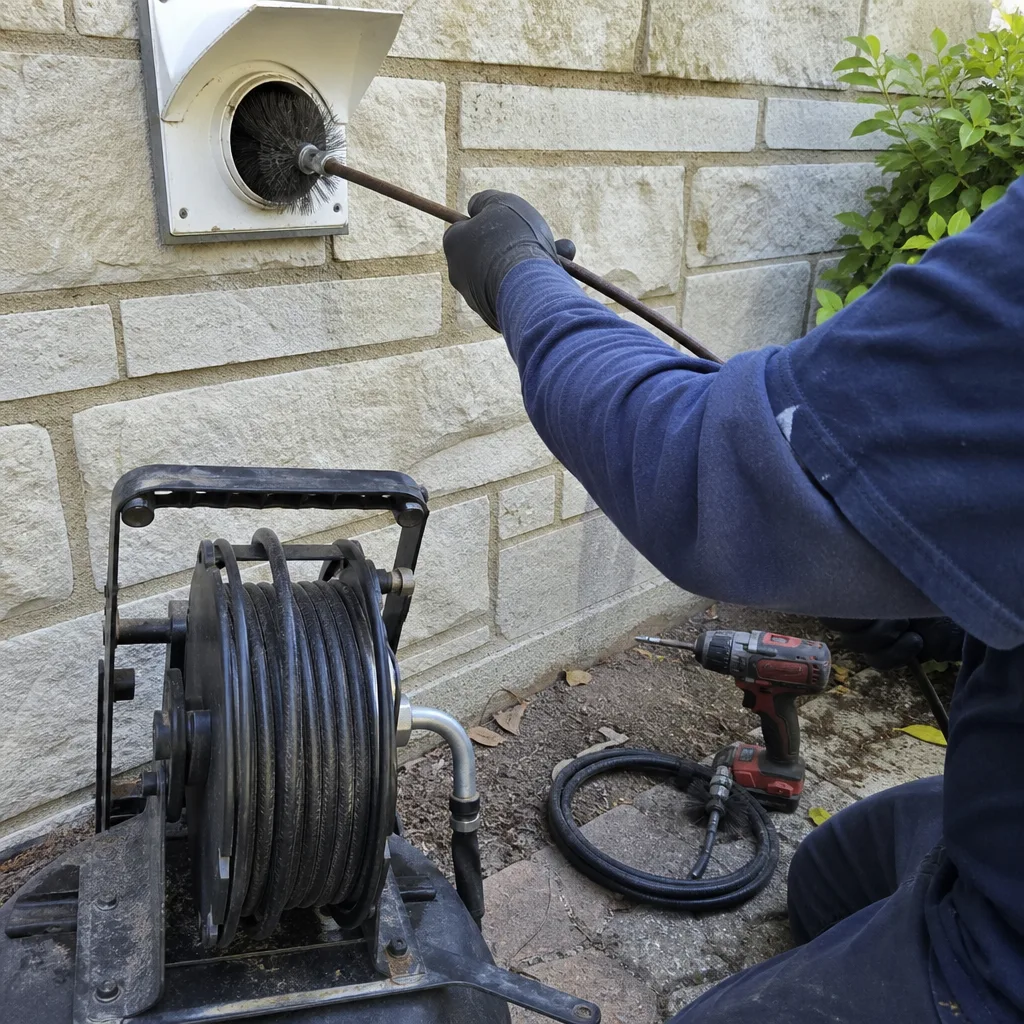
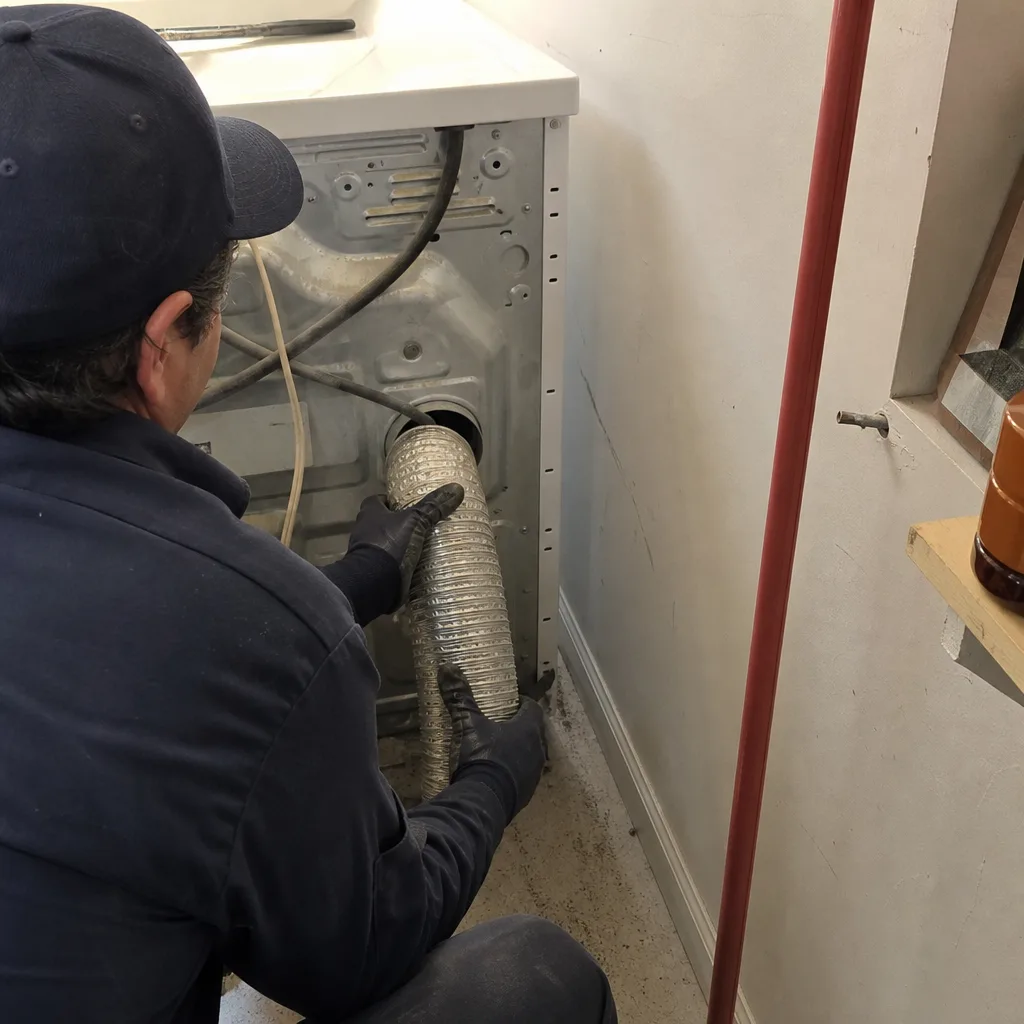
- Neglecting dryer vent maintenance while focusing on HVAC ducts. The dryer vent is part of the same air management system and presents a fire hazard when lint accumulates. Our Dryer Vent Cleaning in Northbrook service addresses this separately, but homeowners should inspect the exterior termination quarterly for lint buildup and proper damper operation.
When to Call a Professional
Call for professional assessment when your inspection reveals debris beyond the first elbow, any indication of mold or biological growth, persistent odors that do not correlate with filter condition or weather, or inconsistent contamination patterns that suggest duct leakage rather than general loading. These are not maintenance tasks; they are remediation needs that require equipment, access, and training beyond homeowner capability.
CleanRun Air Duct Cleaning Northbrook offers free estimates in Northbrook. Every estimate includes a written price before any work starts, under Haven Standard Clause 1, and every job concludes with a Documented Photo Record of every duct run. If you have a competitor’s written estimate, we provide a Free Second Opinion at no cost, with our number next to theirs for direct comparison. Call (224) 351-9772 to schedule.
Frequently Asked Questions
Whole-system air duct cleaning in Northbrook typically ranges from $450 to $850 for a single HVAC system, depending on home size, duct accessibility, and contamination level. CleanRun delivers a written price before any work starts under Haven Standard Clause 1, with no per-vent add-ons or post-arrival upsells. Call (224) 351-9772 for an exact quote - estimates are free.
Low quotes, particularly those at or below $200, typically cover only a visual inspection and surface vacuuming of accessible registers, not full-system negative-pressure extraction. The industry is structured around coupon pricing that expands dramatically once the technician is in the home. A legitimate whole-system cleaning requires sealed registers, controlled negative pressure, and mechanical agitation of the full duct run - equipment and labor that cannot be delivered at coupon prices. Always request a written scope of work with the quote.
Demand photographic evidence of every duct run, before and after, with timestamps. At CleanRun, this is standard on every job, not an upgrade. If a company cannot or will not provide this, the work is unverifiable. Your own pre-service inspection photos also create a baseline for comparison.
Frequency depends on observable condition, not calendar time. Homes with consistent filter maintenance, no pets, and no local construction may exceed ten years between cleanings. Homes with multiple pets, nearby teardown activity, or evidence of duct leakage may need service in two to three years. The maintenance checklist in this guide provides the evidence to make that determination yourself.
Yes. Summer humidity from Lake Michigan increases condensation risk in ductwork, particularly in homes with crawl space or basement plenums, and in neighborhoods like Greenbriar with lower elevation relative to the lake. Humidity above 60% in conditioned spaces supports biological growth on duct liner. Dehumidification of the home, not just the ducts, is the correct response.
No. Shop vacuums lack the airflow and filtration to extract debris from duct runs without recontaminating the home, and they cannot generate the sealed negative pressure required to prevent redistribution. They are useful for register surface cleaning only. Full duct cleaning requires professional-grade negative-pressure extraction equipment.
The Bottom Line
Effective duct maintenance is observation and documentation, not calendar reminders; explore more guides & resources for year-round maintenance support. Remove one register quarterly, grade your filters honestly, log five measurements annually, and understand how Northbrook’s lake humidity and construction activity affect your specific home. When evidence justifies professional service, demand written pricing, photographic verification, and equipment transparency. The maintenance record you build becomes the basis for every service decision, protecting you from both neglect and unnecessary expense.
Written by Tomas Reyes, Owner at CleanRun Air Duct Cleaning Northbrook, serving Northbrook since 2013.